Navigating Safety Regulations for Residential Pools in San Diego
Explore essential safety regulations for residential pools in San Diego, including hiring builders, types of pools, permits, and design options.
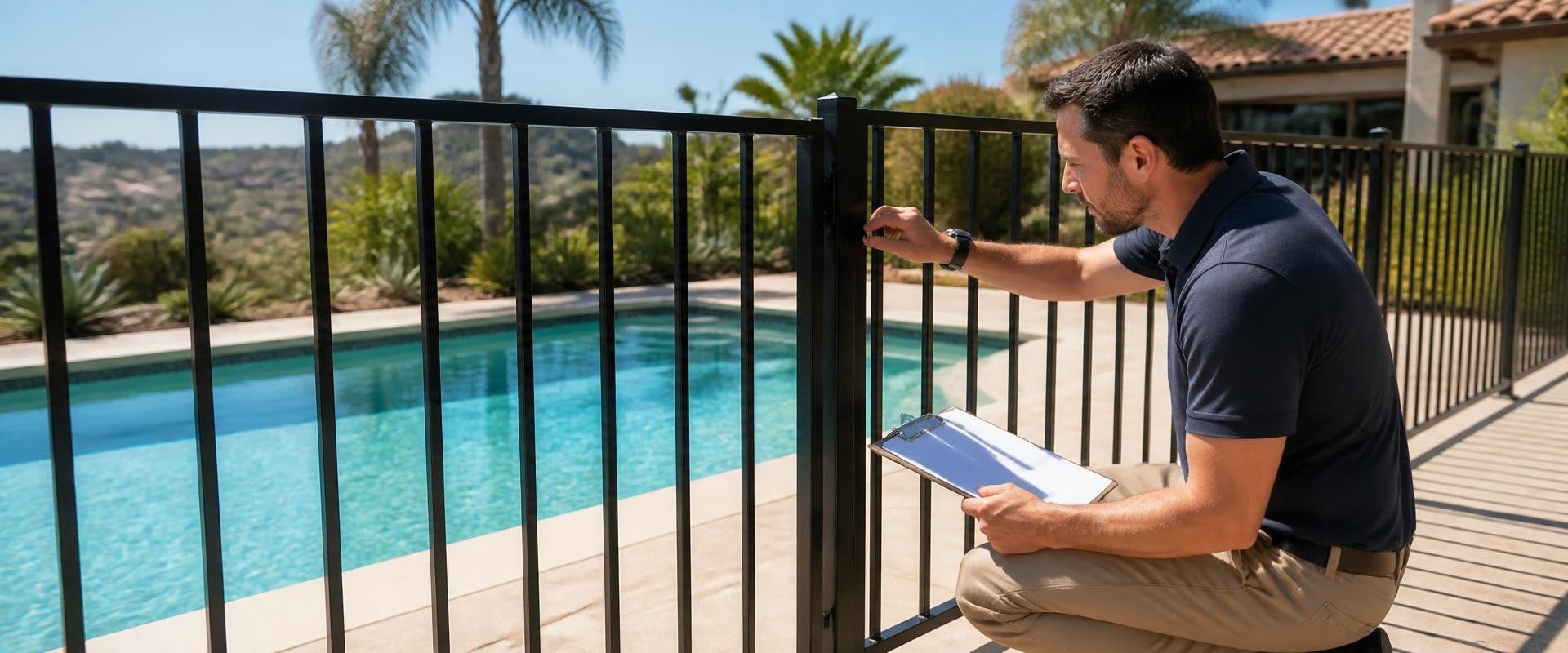
When it comes to creating the perfect backyard oasis, ensuring compliance with Safety regulations for residential pools is paramount. In San Diego, where the sun shines nearly year-round and outdoor living is a way of life, homeowners are eager to dive into the pool construction process. However, navigating the intricate landscape of safety regulations can often feel overwhelming. That’s where San Diego Pool BuildingSan Diego Pool Building comes in—a comprehensive guide designed to help you understand the essential safety standards and local regulations that govern pool construction in our vibrant city. As you embark on your journey to build a stunning pool, it’s crucial to recognize that adhering to safety regulations not only protects your family and guests but also enhances the longevity and enjoyment of your investment.
In this article, we will explore the key safety considerations for residential pools in San Diego, ensuring that you can create a beautiful and safe environment for relaxation and fun. Whether you're a first-time pool owner or looking to upgrade your existing space, understanding these regulations will empower you to make informed decisions throughout your project. In San Diego, adhering to Safety regulations for residential pools is not just about compliance; it's a critical aspect of ensuring the safety of your family and guests. As homeowners consider building or renovating a pool, understanding these regulations becomes essential. With the right knowledge, homeowners can navigate the complexities of hiring pool builders, understanding different types of pools, and ensuring they are compliant with local laws. is not just about compliance; it's a critical aspect of ensuring the safety of your family and guests. As homeowners consider building or renovating a pool, understanding these regulations becomes essential. With the right knowledge, homeowners can navigate the complexities of hiring pool builders, understanding different types of pools, and ensuring they are compliant with local laws.
This article aims to guide you through these vital aspects of San Diego Pool Building, emphasizing the importance of safety regulations. One of the primary reasons to adhere to safety regulations is the prevention of accidents. Pools can be a source of joy and relaxation, but they also pose significant risks if not properly managed. Adhering to local laws not only protects your loved ones but also safeguards you from potential legal issues arising from accidents. In California, specific safety features are mandated by state law, which are further reinforced by local San Diego regulations.
These include fencing requirements, pool covers, and alarms. According to California state law, all residential pools must be enclosed by a fence that is at least 5 feet high. This is designed to prevent unauthorized access and protect children who may be in the vicinity. The fence should have self-closing and self-latching gates to enhance security further. In addition to fencing, pool covers are a critical safety feature that can help prevent accidents when the pool is not in use.
Many local regulations in San Diego also require pool alarms that sound when someone enters the water, adding an extra layer of protection. When considering types of pools, it’s essential to understand that different designs come with unique safety considerations. In-ground pools typically require more extensive safety measures due to their permanent nature and larger size compared to above-ground pools. Above-ground pools may have fewer regulations; however, they still need to comply with basic safety features such as fencing and appropriate access controls. Homeowners should assess their specific situation and choose a pool type that aligns with their lifestyle while adhering to safety regulations. The process for obtaining permits in San Diego can be daunting but is necessary for legal compliance and safety assurance.
Homeowners must submit detailed plans for their proposed pool project to the local building department. This includes specifications on safety features such as fencing and alarms. Once submitted, the plans will undergo a review process, and any necessary inspections will be scheduled to ensure compliance with both state and local regulations. It’s important to note that failure to secure proper permits can lead to fines or even orders to remove the non-compliant structure. Choosing the right pool builder is another crucial step in navigating the complexities of San Diego Pool Building.
A reputable builder will not only have extensive knowledge of local regulations but will also assist you throughout the permitting process. They can provide valuable insights into which safety features are essential for your specific project and help ensure that all designs meet legal requirements. When selecting a builder, it’s advisable to check their credentials, read reviews, and verify their experience with similar projects in San Diego. Finally, integrating design trends with safety regulations can enhance both the aesthetic appeal and functionality of your pool area. Popular trends in San Diego include naturalistic designs that blend seamlessly with the surrounding landscape and modern minimalist styles featuring clean lines and geometric shapes.
Homeowners should consider how these design elements can incorporate safety features without compromising on style. For instance, using transparent fencing materials can maintain an unobstructed view while still providing necessary security. In conclusion, understanding safety regulations for residential pools in San Diego is essential for any homeowner looking to build or renovate a pool. By being informed about local laws, types of pools, permitting processes, and design trends, you can create a safe yet beautiful backyard oasis that complies with all necessary regulations.
Understanding California's Pool Safety Laws
When considering a new pool or renovating an existing one, understanding California's pool safety laws is vital for homeowners in San Diego. The state has established specific safety regulations aimed at preventing accidents and ensuring the well-being of pool users.These regulations apply to all residential pools, and compliance is not just a legal requirement but also a crucial aspect of responsible pool ownership. One of the primary laws revolves around the implementation of safety features such as barriers, covers, and alarms. According to California law, residential pools must be enclosed by a fence that is at least 5 feet high, with gates that self-close and self-latch. This is designed to prevent unauthorized access by children and pets, significantly reducing the risk of drowning incidents. Additionally, pool owners are required to install safety covers or alarms that can alert homeowners when someone enters the pool area. These features are essential not only for compliance but also for peace of mind when it comes to the safety of family and guests. Furthermore, it’s important to note that local regulations may impose additional requirements specific to San Diego.
Homeowners should always check with local authorities or consult with experienced professionals in San Diego Pool Building to ensure they are fully informed about any extra measures that may be necessary for their particular project. In summary, understanding and adhering to California's pool safety laws is crucial for any homeowner looking to build or renovate a pool. By implementing the required safety features and staying updated on local regulations, you can create a safe and enjoyable environment for all who use your pool.
Types of Pools and Their Safety Considerations
When considering a pool for your backyard, it is essential to understand that different types of pools come with varying safety implications.San Diego Pool Building
emphasizes the importance of recognizing these differences to ensure a safe environment for you and your family. One of the most common types of pools is the in-ground pool, which can be made from materials such as concrete, fiberglass, or vinyl. In-ground pools generally require more extensive safety measures, including proper fencing, pool covers, and alarms.These features are crucial in preventing accidental drownings, especially for young children who may have easy access to the pool area. Above-ground pools are another popular choice among homeowners. While they are often more affordable and easier to install, safety considerations remain paramount. Above-ground pools should also be equipped with secure ladders and gates to limit access when the pool is not in use. Additionally, ensuring that the pool structure is stable and well-maintained can prevent accidents related to falling or collapsing. Natural pools, which utilize biological filtration and plant life to maintain water quality, offer a unique swimming experience.
However, the safety aspects must not be overlooked. Homeowners should ensure that these pools are clearly marked to prevent accidents and have adequate barriers to keep children at a safe distance from deeper areas. Finally, infinity pools, known for their stunning aesthetics and vanishing edge design, pose specific safety challenges as well. The lack of a visible boundary can create a perception of depth that may lead to accidents. Installing glass barriers or clear markings around the pool area can enhance safety while maintaining the visual appeal. In summary, whether you choose an in-ground, above-ground, natural, or infinity pool, understanding the safety implications specific to each type is crucial.
San Diego Pool Building encourages homeowners to prioritize these safety considerations when planning their pool projects to ensure a secure and enjoyable swimming environment for all.
Popular Pool Designs That Meet Safety Standards
When considering a new swimming pool, homeowners in San Diego must prioritize safety alongside aesthetics.San Diego Pool Building
emphasizes that adhering to safety regulations is essential not just for compliance but for the protection of family and friends. In this section, we will explore popular pool designs that not only reflect current trends but also meet safety standards. One of the most sought-after designs is the infinity pool, which creates an illusion of water extending to the horizon. However, it is crucial to ensure that these pools have adequate barriers and comply with local regulations regarding depth and fencing.Homeowners should consult with experienced builders who understand the specific requirements for infinity pools in San Diego. Another popular option is the traditional rectangular pool, which offers versatility in design and functionality. This shape allows for easy installation of safety features such as automatic pool covers, which can provide an extra layer of security when the pool is not in use. Furthermore, incorporating features like shallow areas can help ensure safety for children and non-swimmers. Naturalistic pools, which blend seamlessly with the surrounding landscape, are also gaining traction. These pools often use natural stones and plants, creating a serene environment.
While they are visually appealing, it is vital to incorporate proper safety measures such as non-slip surfaces and appropriate fencing to keep children safe. Finally, lap pools are becoming increasingly popular among fitness enthusiasts in San Diego. These long and narrow pools not only serve a practical purpose but can be designed with safety features like depth markers and clear lane lines to enhance visibility.
San Diego Pool Building
recommends working closely with pool builders who have experience in integrating safety standards into various pool types. In conclusion, while exploring different pool designs, it is essential to prioritize safety compliance. By selecting designs that adhere to local regulations and working with knowledgeable contractors, homeowners can ensure that their new pools are both beautiful and safe.Choosing the Right Pool Builder
When embarking on the journey of building or renovating a residential pool, one of the most crucial decisions you'll make is selecting the right pool builder.In San Diego, where the climate and lifestyle call for quality outdoor spaces, San Diego Pool Building emphasizes the importance of hiring a knowledgeable contractor who understands local regulations and design preferences. Start by researching potential builders in the San Diego area. Look for those who specialize in residential pools and have a solid portfolio of completed projects. It’s vital that the contractor you choose has experience with the specific type of pool you envision, whether it's a traditional in-ground pool, an above-ground option, or even a unique custom design. Next, check their credentials. Ensure that the builder is licensed and insured, which protects you from liability should any accidents occur during construction.
A reputable contractor will have no problem providing proof of their licensing and insurance coverage. Ask for references or read reviews from previous clients. This will give you insight into the builder's work ethic, reliability, and overall quality of their projects. Positive feedback from other homeowners can help assure you that you're making a sound choice. Additionally, don’t hesitate to conduct interviews with your top choices. Prepare questions regarding their experience with San Diego Pool Building regulations, how they handle permits, and their approach to customer service.
A good builder should be transparent about their process and willing to address any concerns you may have. Finally, consider obtaining multiple quotes. This not only helps you gauge the average market rate but also allows you to compare the services offered by different builders. Remember, the cheapest option isn’t always the best; focus on value and quality rather than just price.
Navigating the Permitting Process in San Diego
When embarking on the journey of building a pool in your backyard, understanding the permitting process is essential for homeowners in San Diego.San Diego Pool Building
emphasizes that obtaining the necessary permits not only ensures compliance with local regulations but also promotes safety and enhances the overall experience of pool ownership. The first step in obtaining a pool permit is to familiarize yourself with the local zoning regulations.Each area within San Diego may have different rules regarding setbacks, lot coverage, and pool types. Homeowners should check with the San Diego Planning Department to determine what is applicable to their property. Once you have a clear understanding of the zoning requirements, the next step is to create a detailed pool plan. This plan should include dimensions, depth, and any additional features such as spas or waterfalls. Hiring a professional pool builder can be beneficial at this stage, as they will be familiar with the local codes and can ensure your design meets all necessary standards. After finalizing your pool plan, it’s time to submit your application for a pool permit to the San Diego Development Services Department.
This application typically requires site plans, structural details, and sometimes even engineering reports, depending on the complexity of your project. Be prepared for potential revisions, as officials may request modifications to ensure compliance with safety standards. Once your application is submitted, it will undergo a review process. The duration of this review can vary; therefore, it's advisable to plan ahead and allow sufficient time for approval before starting construction. During this period, you may need to attend a public hearing if your project affects neighboring properties or requires special considerations. Upon approval of your permit, you'll receive documentation that allows you to begin construction.
Keep in mind that inspections will be required at various stages of the building process to ensure everything adheres to safety regulations and approved plans. Regular communication with your pool builder and adherence to inspection schedules are crucial for a smooth process. In summary, navigating the permitting process in San Diego involves understanding local regulations, creating detailed plans, submitting applications, undergoing reviews, and scheduling inspections. By following these steps meticulously, homeowners can confidently embark on their pool-building journey while ensuring they remain compliant with all safety regulations.
Understanding California's Pool Safety Laws
When it comes to ensuring a safe environment around residential pools, understanding California's pool safety laws is essential for homeowners, particularly those looking to create a backyard oasis with San Diego Pool Building. The state has implemented various regulations aimed at minimizing the risk of accidents and enhancing the safety of pool areas.These laws encompass a range of safety features that must be incorporated into pool designs to comply with state regulations. One of the most critical aspects of California's pool safety laws is the requirement for barriers. According to state law, all residential pools must have a barrier that is at least 5 feet high and prevents access by young children. This barrier can take the form of a fence, wall, or other approved structures, and it should not have any gaps or openings that could allow a child to slip through. Additionally, California law mandates the installation of self-closing and self-latching gates that provide access to the pool area. These gates must open outward from the pool and be equipped with latches that are out of reach for small children.
This ensures that even if a child gains access to the yard, they cannot easily enter the pool area without adult supervision. Another important regulation pertains to pool covers. Homeowners are encouraged to install safety covers that can support the weight of an adult and prevent accidental drowning. These covers should meet specific standards set forth by safety organizations, ensuring they provide adequate protection when the pool is not in use. Furthermore, California encourages homeowners to equip their pools with additional safety features such as alarms on doors leading to the pool area and poolside alarms that can alert parents or guardians if someone enters the water unexpectedly. By understanding and adhering to these safety regulations, homeowners can significantly reduce the risk of accidents and create a safer environment for their families and guests. In summary, compliance with California's pool safety laws is not just a legal obligation but also a crucial step in ensuring the well-being of everyone who uses your pool.
As you navigate your journey with San Diego Pool Building, keeping these regulations in mind will help you design a safe and enjoyable swimming environment.
Understanding California's Pool Safety Laws
When it comes to San Diego Pool Building, understanding California's pool safety laws is essential for homeowners who want to ensure the safety of their family and guests. The state has established stringent regulations aimed at preventing accidents and promoting safe swimming environments in residential pools. These laws cover a range of safety features that must be incorporated into pool designs, ensuring compliance with health and safety standards. One of the primary requirements under California law is the installation of at least one safety feature from a list approved by the state. These features include pool covers, fencing, alarms, and other protective measures designed to restrict access to the pool area.For example, a minimum fence height of 5 feet is typically mandated, and it must be climb-resistant with self-closing and self-latching gates. Homeowners must also ensure that their pools are equipped with anti-entrapment drain covers to prevent potential drowning incidents. Moreover, California law requires that any newly constructed or remodeled residential pool must meet specific safety standards that are outlined in the California Code of Regulations. This includes guidelines on the placement of ladders, steps, and diving boards to minimize hazards. Failure to comply with these regulations not only puts individuals at risk but may also lead to legal repercussions for homeowners.
Therefore, it is crucial for those engaged in San Diego Pool Building to familiarize themselves with these laws and consult with professional pool builders who can help navigate these requirements effectively. In conclusion, understanding and adhering to safety regulations is paramount when building a residential pool in San Diego. These regulations not only ensure compliance with local laws but also significantly enhance the safety of your pool environment for family and guests. As we have explored throughout this article, from California's Pool Safety Laws to the intricacies of Navigating the Permitting Process in San Diego, being well-informed empowers homeowners to make safer decisions. We encourage you to consult with professionals who can provide valuable insights and guidance tailored to your unique situation. Staying informed about local laws and regulations will not only facilitate a smoother construction process but also contribute to a safe and enjoyable pool experience that you and your loved ones will cherish for years to come.
Remember, investing in safety is investing in peace of mind when it comes to your new pool.


