Effective Strategies for Controlling Algae Growth in Your Pool
Discover effective methods for addressing algae growth in your pool, including hiring pool builders, understanding pool types, and navigating the permitting process in San Diego.
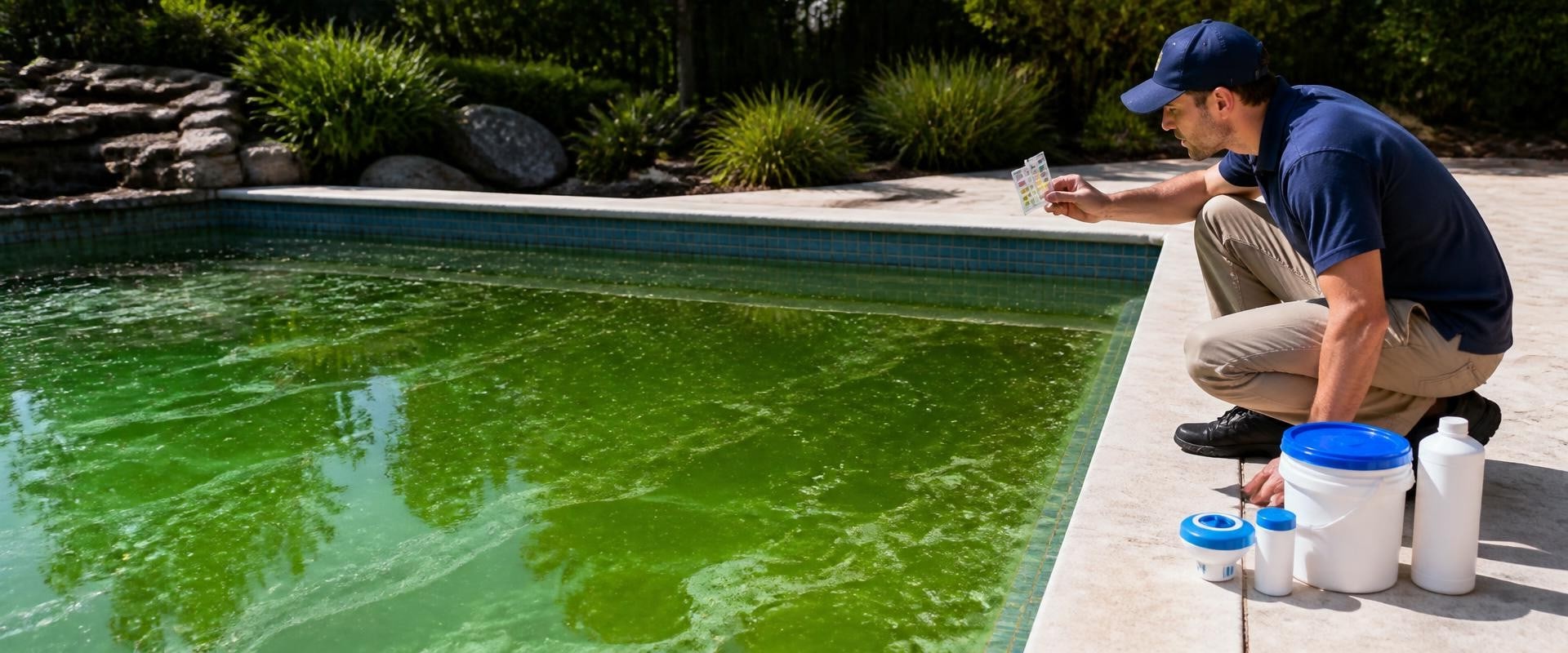
When it comes to enjoying your backyard oasis, nothing can ruin the experience quite like an unsightly bloom of algae in your pool. As a guide dedicated to pool construction and maintenance, San Diego Pool Building understands the importance of keeping your pool crystal clear and inviting. Algae growth is not just a cosmetic issue; it can lead to more serious problems, including equipment damage and unsafe swimming conditions. Therefore, implementing effective strategies for controlling algae growth is crucial for maintaining a pristine swimming environment. This article delves into various methods and techniques that pool owners can utilize to combat algae growth effectively.
From understanding the types of algae that can invade your pool to exploring preventative measures and treatment options, we will cover everything you need to know to keep your pool in top shape. After all, a well-maintained pool not only enhances the beauty of your outdoor space but also ensures a safe and enjoyable experience for family and friends.
Addressing algae growth effectively
in swimming pools is crucial for maintaining a clean and safe swimming environment, especially in warm climates like San Diego. The high temperatures and abundant sunlight common in this region create an ideal breeding ground for algae, making it a frequent issue for pool owners. Understanding the various aspects of algae growth is key to ensuring that your pool remains a refreshing oasis rather than a green swamp.Hiring knowledgeable professionals from San Diego Pool Building can provide valuable insights and solutions tailored to the unique challenges faced by pool owners in this area. To effectively tackle algae growth, prevention is the first line of defense. Maintaining proper water balance is essential, which includes regularly testing and adjusting the pH, alkalinity, and chlorine levels. A well-balanced pool not only helps prevent algae but also enhances the longevity of your pool materials. Regular cleaning routines, such as brushing the walls and floor of your pool and vacuuming debris, should be part of your maintenance schedule.
This will help eliminate any algae spores before they can establish themselves. There are several types of algae commonly found in pools, each with its own characteristics and potential impact on different pool materials. Green algae is the most common type and can appear quickly if proper sanitation levels are not maintained. Black algae, on the other hand, can penetrate pool surfaces such as plaster or vinyl, making it much harder to eradicate. Yellow or mustard algae typically cling to walls and steps and can be stubborn if left untreated.
Understanding these types allows pool owners to take targeted actions against them. In addition to self-maintenance, hiring professional pool builders who are familiar with the San Diego area is critical. These experts understand the local climate and can recommend tailored solutions to combat algae growth effectively. They can also help identify specific challenges such as inadequate drainage or landscaping issues that may contribute to algae proliferation. When selecting a contractor, look for those with experience in dealing with algae-related issues specific to your neighborhood. Selecting the right chemicals for algae control is another important aspect of addressing this issue.
Pool stores offer a range of products designed for different types of algae. Shock treatments can provide immediate relief by raising chlorine levels rapidly, while algaecides are formulated specifically to kill existing algae and prevent future growth. It’s essential to follow product instructions carefully and consider consulting with professionals for recommendations based on your particular pool situation. Integrating preventative measures into regular maintenance routines can also significantly reduce the chances of algae development. This includes regular skimming of debris, ensuring adequate water circulation through pumps and filters, and maintaining proper levels of stabilizer to protect chlorine from UV degradation.
Regularly changing filter media and cleaning filter systems will enhance their efficiency in removing contaminants that promote algae growth. If you find that construction or renovation work is necessary to improve your pool conditions—such as installing additional filtration systems or upgrading surfaces—understanding the permitting process in San Diego is vital. Depending on the scope of work, permits may be required from local authorities to ensure compliance with safety standards. Engaging with experienced professionals can ease this process as they are often familiar with local regulations and can handle permits on your behalf. Lastly, there may be differing opinions regarding DIY versus professional help when it comes to managing algae issues. While some homeowners may feel comfortable tackling minor algae problems on their own using store-bought chemicals and equipment, significant outbreaks or persistent issues often require professional intervention.
Experienced pool builders not only have access to more effective treatments but also possess the knowledge necessary for long-term solutions that DIY methods may overlook. In conclusion, addressing algae growth effectively requires a multifaceted approach that incorporates prevention methods, understanding different types of algae, hiring knowledgeable professionals, selecting appropriate chemicals, integrating preventative measures into maintenance routines, and navigating local permitting processes when necessary. By taking these steps, you can keep your pool looking pristine throughout the year while enjoying all the benefits of a well-maintained swimming environment.
Permitting Considerations for Pool Maintenance
When addressing algae growth effectively in your pool, it is essential to consider the permitting requirements that may apply, especially if you are planning significant changes to your pool. In regions like San Diego, where warm climates can accelerate algae growth, understanding these regulations is crucial for maintaining a clean and safe swimming environment. Before initiating any renovations or enhancements aimed at combating algae issues, check with your local building department to determine what permits are necessary. Typically, modifications that involve substantial alterations to the pool structure, such as adding new filtration systems or resurfacing the pool interior, may require permits.Additionally, if you are considering landscaping changes that could affect water drainage or pool accessibility, those might also trigger permitting requirements. San Diego Pool Building recommends consulting with knowledgeable pool builders who are familiar with the local regulations. They can guide you through the permitting process and ensure that your improvements comply with city codes, ultimately aiding in more effective algae management strategies. It’s important to remember that failing to obtain the required permits can result in fines or complications during future maintenance or renovations. Therefore, before making any major changes to your pool setup, always verify what permits are needed to avoid potential setbacks.
When to Call in Professionals
While many pool owners can manage minor algae issues on their own, there are specific situations where hiring a professional from San Diego Pool Building becomes essential. One of the primary reasons to consider professional help is when the algae growth has progressed beyond what typical home maintenance can handle.If you notice large patches of green, black, or yellow algae in your pool, it’s a clear sign that the problem has escalated and requires expert attention. Another scenario is when pool chemistry becomes too complex to manage effectively. For instance, if you’ve tried multiple treatments and the algae persists, it may indicate an underlying issue with your pool’s filtration system or water balance that only a trained pool builder can diagnose. Professionals have the experience and tools necessary to perform thorough assessments and implement effective solutions tailored to the specific conditions of your pool. Additionally, if you are new to pool ownership or unfamiliar with algae management, reaching out to a qualified pool builder can provide you with peace of mind. They can offer guidance on proper maintenance routines and preventative measures that will help keep your pool clean and inviting. Finally, if you find yourself overwhelmed with the time and effort required to maintain your pool, enlisting the help of professionals from San Diego Pool Building can save you valuable time and ensure your pool remains in optimal condition year-round.
By leveraging their expertise, you can enjoy your swimming experience without the stress of managing algae growth on your own.
Understanding Algae: Types and Causes
Algae growth in swimming pools is a common issue, particularly in warm climates like San Diego. Understanding the different types of algae that can infest your pool is crucial for effective maintenance and prevention. There are three primary types of algae that pool owners should be aware of: green algae, yellow algae, and black algae.Green algae
is the most prevalent type found in swimming pools. It appears as a slimy green film on pool walls and surfaces, thriving in warm water and poor circulation.This type of algae can quickly multiply if not addressed promptly, leading to cloudy water and unsightly appearances.
Yellow algae
, also known as mustard algae, tends to cling to pool walls and corners, often appearing as yellowish patches. This type is more resistant to chlorine than green algae, making it particularly challenging to eliminate without proper treatment. Factors contributing to yellow algae growth include inadequate filtration, poor water balance, and insufficient sanitizer levels.Black algae
is the most stubborn of the three and appears as dark spots embedded in the pool surface. Unlike green and yellow algae, black algae have root-like structures that can burrow into plaster surfaces.These structures make it difficult to scrub away without specialized treatments. The presence of black algae often indicates significant neglect in pool maintenance.The causes of algae growth in pools are multifaceted but typically stem from poor sanitation practices, inadequate circulation, and imbalanced water chemistry. To combat these issues effectively, regular monitoring and maintenance are essential. Hiring knowledgeable professionals from These structures make it difficult to scrub away without specialized treatments. The presence of black algae often indicates significant neglect in pool maintenance. The causes of algae growth in pools are multifaceted but typically stem from poor sanitation practices, inadequate circulation, and imbalanced water chemistry. To combat these issues effectively, regular monitoring and maintenance are essential. Hiring knowledgeable professionals from San Diego Pool Building can provide tailored solutions for local conditions, ensuring your pool remains clean and inviting.
Long-Term Solutions and Design Options
To effectively combat algae growth in your pool, it's important to consider long-term solutions that not only address current issues but also prevent future outbreaks.One key strategy is to explore various design options that can significantly reduce the potential for algae proliferation. For instance, when constructing a pool, the choice of materials plays a crucial role. Opting for smooth-surfaced tiles or fiberglass can minimize rough areas where algae can cling and thrive. Additionally, incorporating features such as automatic cleaning systems and advanced filtration technology can help maintain water clarity and cleanliness. These systems work continuously to remove debris and reduce organic matter, which is essential for preventing algae growth.
It's also wise to consider the pool’s shape and design; rounded edges and fewer corners can improve circulation and make it harder for algae to establish itself. In regions like San Diego, where warm weather promotes faster algae growth, having knowledgeable pool builders from San Diego Pool Building can provide tailored solutions that fit local conditions. They can recommend specific design elements that enhance cleanliness, ensuring that your pool remains a refreshing oasis. Finally, think about incorporating landscaping features that minimize debris falling into the pool. Strategic placement of plants and trees can help keep your pool area clean while still adding to the aesthetic appeal of your backyard.
Preventative Measures to Keep Algae at Bay
Maintaining a clean and healthy swimming pool in San Diego requires a proactive approach, especially when it comes to addressing algae growth effectively. Algae thrives in warm climates, making it a common concern for pool owners in the area.To prevent algae from taking hold, it is essential to implement a few key preventative strategies. Firstly, maintaining proper water chemistry is crucial. Regularly testing the pH and chlorine levels of your pool water helps ensure that it remains within the ideal range. A pH level between 7.2 and 7.6 and adequate chlorine levels can create an inhospitable environment for algae. Consider investing in a reliable pool testing kit or enlisting the help of local experts from San Diego Pool Building who can provide tailored advice on maintaining your water chemistry. In addition to chemical balance, establishing a regular cleaning schedule can significantly reduce the risk of algae growth.
Skimming debris off the surface, brushing walls and floors, and vacuuming the pool regularly are essential tasks that should not be overlooked. A clean pool prevents organic matter from accumulating, which can serve as a food source for algae. The role of circulation in preventing algae growth cannot be understated. Ensuring that your pool’s filtration system is functioning correctly and running for an adequate number of hours each day will help maintain water clarity and cleanliness. Proper circulation disrupts algae growth by preventing it from settling and reproducing in stagnant areas of the pool. By implementing these preventative measures, pool owners can effectively keep algae at bay and enjoy a sparkling clean swimming experience.
If you're unsure about how to maintain your pool or need assistance, reaching out to professionals from San Diego Pool Building can provide you with expert insights and support tailored to your specific needs. In conclusion, effectively addressing algae growth in swimming pools requires a solid understanding of the various types of algae, their causes, and the preventative measures that can be taken to keep them at bay. As discussed, hiring professionals who are knowledgeable about local conditions, such as those at San Diego Pool Building, can provide tailored solutions that ensure your pool remains a healthy and enjoyable environment. Regular maintenance is essential, and recognizing when to seek professional assistance for more complex issues is crucial for long-term pool health. Ultimately, by actively maintaining your pool and considering expert help when needed, you can significantly reduce the likelihood of algae infestations and enhance your swimming experience. Remember, the right guidance and expertise can make all the difference in keeping your pool pristine and inviting.


