Identifying and Repairing Leaks in Your Pool System
Learn how to identify and repair leaks in your pool system, including hiring builders and navigating permits specific to San Diego.
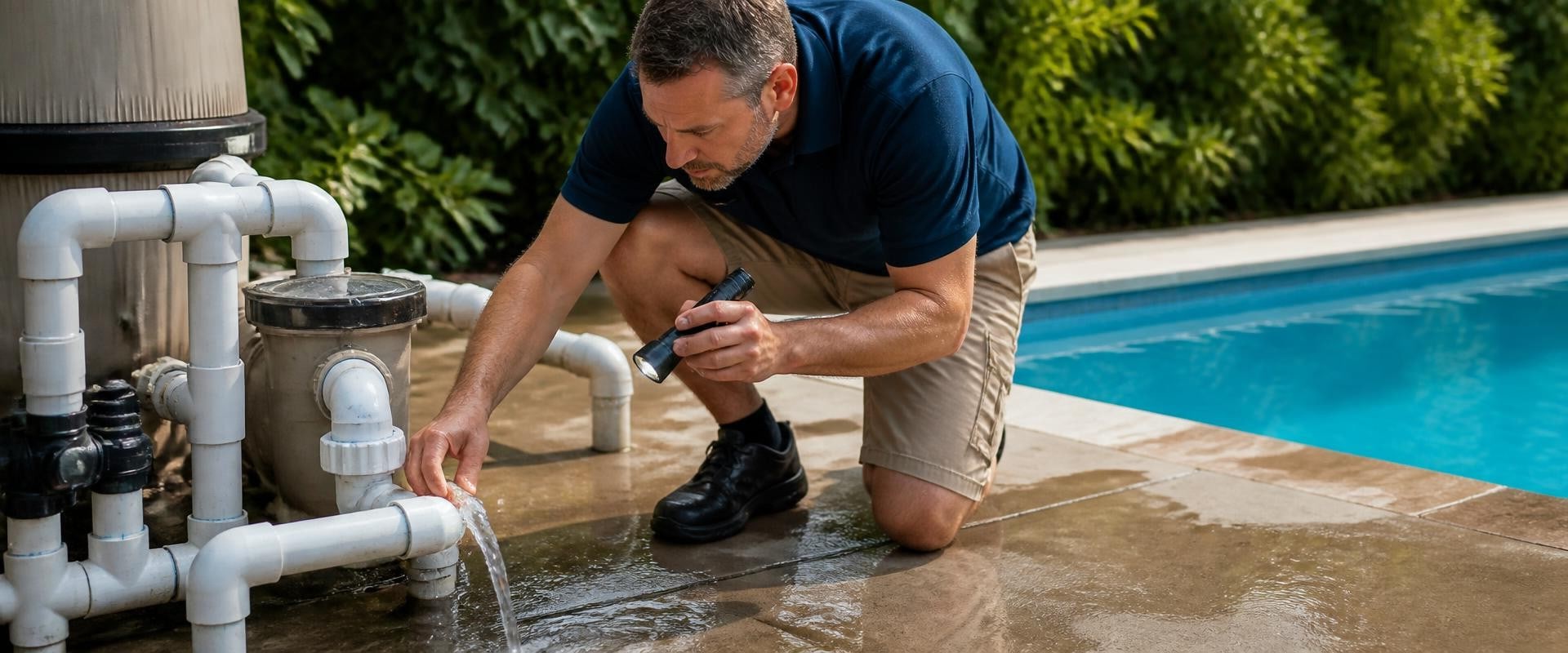
As a proud pool owner in San Diego, the joy of having a beautiful swimming pool can quickly be overshadowed by the frustration of dealing with leaks in your pool system. At San Diego Pool Building, we understand that maintaining the integrity of your pool is essential for both safety and enjoyment. Leaks not only waste water but can also lead to costly repairs and unsightly damage if left unaddressed. In this article, we will guide you through the process of identifying and repairing leaks in your pool system, ensuring that your oasis remains a source of relaxation and fun. Understanding the common causes of leaks in pools can empower you as a homeowner to take proactive steps in maintenance and repair.
From worn-out seals and faulty plumbing to issues with the pool liner, recognizing the symptoms early can save you time and money. Moreover, knowing when to call in a professional can further enhance your pool's longevity and performance. Join us as we explore effective strategies for leak detection and repair, helping you keep your pool in top condition all year round. Maintaining a pool system is essential for ensuring water quality, safety, and cost-effectiveness. One significant issue that pool owners often face is leaks, which can lead to a myriad of problems if not addressed promptly.
San Diego Pool Building serves as a valuable resource for homeowners looking for expert advice on pool maintenance, construction, and repair. Understanding the different types of pools is the first step in identifying how their construction can impact leak susceptibility. There are several types of pools, including serves as a valuable resource for homeowners looking for expert advice on pool maintenance, construction, and repair. Understanding the different types of pools is the first step in identifying how their construction can impact leak susceptibility. There are several types of pools, including in-ground, above-ground, fiberglass, and concrete. Each type has its own construction methods that can influence where leaks might occur.
For instance, in-ground pools, typically made of concrete or vinyl, may develop cracks over time due to soil movement or temperature changes. Above-ground pools are generally more susceptible to leaks at the seams or fittings since they rely on less rigid structures. Fiberglass pools are known for their durability but can still experience leaks from plumbing connections or surface imperfections. Concrete pools offer customization but may develop leaks from cracks or degradation of the surface. Detecting leaks early is crucial to prevent further damage and higher repair costs.
Common methods for leak detection include visual inspections, dye tests, and professional assessments. During a visual inspection, homeowners should look for obvious signs such as wet spots around the pool area, water stains on walls, or unusual increases in water bills. A dye test involves adding a small amount of dye near suspected leak areas to see if it gets drawn into any cracks or gaps. For more complex issues, hiring professionals who specialize in leak detection can provide thorough evaluations and accurate findings. Common sources of leaks include plumbing issues, skimmer leaks, and tile cracks.
Plumbing issues often arise from old or damaged pipes that can corrode or break over time. Skimmer leaks might occur where the skimmer connects to the pool wall, and these can be tricky to identify without proper tools. Tile cracks may not seem significant but can lead to larger problems if water seeps through them. Repairing these common leak sources promptly can save homeowners from extensive repairs down the line. When it comes to repairs and renovations, hiring qualified pool builders in San Diego is crucial.
Experienced professionals understand local regulations and have the expertise necessary to address various pool issues effectively.
San Diego Pool Building
provides insights into finding reputable contractors who specialize in pool repair and maintenance, ensuring that your pool remains in optimal condition. Navigating the permitting process for major repairs or renovations in San Diego can be daunting. Homeowners should familiarize themselves with local regulations regarding pool modifications, as certain changes may require permits. Engaging with experienced contractors who are knowledgeable about the local permitting landscape can help streamline this process and avoid potential fines or delays. Finally, when considering future design options, incorporating features that minimize leak risks can enhance both functionality and aesthetics.For instance, using high-quality materials that resist cracking and degradation, installing efficient plumbing systems, and designing proper drainage can significantly reduce the chances of leaks developing. Additionally, considering smart technology for monitoring water levels and detecting leaks early can provide added peace of mind for pool owners. In summary, identifying and repairing leaks in your pool system is vital for maintaining its integrity and functionality. With the right knowledge about different types of pools and their vulnerabilities, effective leak detection methods, common sources of leaks, and insights on hiring qualified professionals like those at San Diego Pool Building, homeowners can ensure their pools remain safe and enjoyable for years to come.
Navigating the Permitting Process
When it comes to fixing leaks in your pool system, understanding the permitting process is essential for homeowners. Many repairs, especially those that involve significant alterations to your pool's structure or plumbing, require permits from local authorities.This is where San Diego Pool Building can be a valuable resource, providing guidance on the necessary permits needed for pool repairs in San Diego County. To streamline the approval process, it's important to first identify what type of repairs you are planning. Minor repairs might not require a permit, but for larger issues such as replacing pipes or structural modifications, you will likely need to submit a permit application. Be sure to check with your local building department to understand the specific requirements for your area. Gather all necessary documentation, including detailed plans of the proposed work and any existing pool designs. This preparation can help expedite the review process.
Additionally, consider reaching out to San Diego Pool Building for expert advice on navigating these regulations and ensuring compliance with local codes. Once you've submitted your permit application, be prepared for possible revisions based on feedback from the permitting office. Staying responsive and addressing any concerns promptly can help minimize delays. By understanding and efficiently navigating the permitting process, you can ensure that your pool repairs are completed smoothly and legally.
Signs Your Pool May Have a Leak
Identifying leaks in your pool system early is essential for maintaining water quality, safety, and cost-effectiveness.San Diego Pool Building
emphasizes that being aware of the signs of leaks can save you time and money in the long run.Here are some common indicators that your pool may have a leak. One of the most noticeable signs of a leak is a decreased water level. If you find yourself frequently refilling your pool to maintain its water level, it could indicate that water is escaping through a crack or hole. Regularly check your water levels and note any sudden drops over time. Another significant indicator is an increase in your utility bills. If you notice that your water bill has surged without an obvious reason, it may be due to the extra water used to refill your pool.
Monitoring these costs can help you determine if a leak exists and how serious it might be. Lastly, look for wet spots around the pool area. If you see unusual puddles or wet patches surrounding your pool deck, this could signal that water is leaking out. Not only can these wet spots be unsightly, but they can also lead to further damage if left unaddressed. Recognizing these signs early on allows for timely repairs, ensuring that your pool remains in excellent condition. For expert advice on maintenance and repairs, consider reaching out to San Diego Pool Building, a valuable resource for homeowners in San Diego County.
Common Causes of Pool Leaks
Identifying the common causes of pool leaks is essential for maintaining a healthy and efficient pool system.Homeowners often overlook the potential sources of leaks, which can lead to significant issues such as reduced water quality and increased operational costs.
San Diego Pool Building
serves as a valuable resource for those looking to understand these causes and address them promptly. One frequent source of leaks is the pool liner. Over time, liners can develop tears or punctures, especially in areas where they experience stress or wear. These leaks can result in a slow but steady loss of water, impacting the balance of chemicals necessary for maintaining water quality. Another common leak source is the skimmer.If the skimmer or its connections are damaged, it can lead to water seeping out of the pool, causing both water level issues and potential structural damage to the surrounding areas. Additionally, plumbing connections can deteriorate due to age or improper installation, leading to leaks that are often hidden from view. The pool pump is another critical component that can be a source of leaks. A faulty pump seal may allow water to escape, reducing efficiency and increasing energy costs. Lastly, cracks in the pool shell, whether from settling soil or temperature fluctuations, can cause substantial leaks if not addressed quickly. Understanding these common causes allows homeowners to take proactive measures in monitoring their pool systems and seeking assistance from experts like San Diego Pool Building when needed.
Detecting Pool Leaks: Methods and Tools
Detecting leaks in your pool system is crucial for maintaining water quality, ensuring safety, and managing costs effectively.Homeowners can utilize several methods and tools to identify potential leaks before they become a significant issue.
San Diego Pool Building
recommends starting with simple visual inspections, as many leaks can be detected through careful observation. One effective technique is to perform a bucket test. To conduct this test, fill a bucket with water and place it on the steps of your pool, ensuring that the water level inside the bucket matches the pool’s water level. Mark the water levels on both the bucket and the pool after 24 hours.If the pool loses more water than the bucket, you likely have a leak. Another method involves checking for wet spots or unusually green patches around your pool area, which can indicate leaks in the plumbing or the structure itself. Keep an eye out for changes in your water bill; a sudden increase could signal a hidden leak. For more advanced detection, consider using dye testing. This process involves adding a few drops of dye near suspected leak areas and observing if the dye is drawn into any cracks or openings. Additionally, ultrasonic leak detectors can be employed, which pick up sounds related to escaping water and help pinpoint the source of the leak. Lastly, if you suspect a more complex issue, consulting with professionals like San Diego Pool Building can provide you with expert guidance and resources to address any leaks effectively.
Regular maintenance checks can prevent leaks from escalating into more serious problems.
Types of Pools and Their Leak Vulnerabilities
When it comes to pool maintenance, understanding the different pool materials and designs is crucial in identifying their unique vulnerabilities to leaks. Each type of pool—whether it’s made from vinyl, fiberglass, or concrete—has distinct characteristics that can influence how easily leaks develop and how quickly they can escalate. For instance, vinyl liner pools are popular for their affordability and aesthetic appeal; however, they can be susceptible to punctures and tears. If a sharp object or excessive wear occurs, leaks may develop around the seams or corners, leading to significant water loss if not addressed promptly. Regular inspections are vital to catch these issues early.Fiberglass pools
, on the other hand, are known for their durability and low maintenance.However, they can still experience issues such as cracks due to ground movement or improper installation. These cracks can lead to slow leaks that may go unnoticed until the water level drops significantly, impacting both water quality and pool structure. Finally, concrete pools, while extremely durable and customizable, often face issues related to their porous surface. Over time, the plaster can wear down, leading to tiny fissures that allow water to escape. Additionally, improper sealing or aging can exacerbate these vulnerabilities, making it crucial for homeowners to regularly check for signs of wear. Understanding these differences is essential for effective pool maintenance.
By knowing the specific vulnerabilities associated with your pool type, you can take proactive measures to address leaks promptly. For expert advice and assistance with any pool-related issues, consider reaching out to San Diego Pool Building, a valuable resource for homeowners seeking guidance on pool maintenance and repairs.
Hiring a Pool Builder in San Diego
When it comes to fixing leaks in your pool system, selecting the right professionals is essential for ensuring quality repairs and renovations. Homeowners in San Diego can benefit from the expertise of local contractors who understand the unique challenges posed by the region's climate and soil conditions.San Diego Pool Building
serves as a valuable resource to help you navigate this process, providing insight into what to look for when hiring a pool builder. First and foremost, it's important to verify that any pool builder you consider is licensed and insured.This not only protects you but also ensures that the contractor meets local codes and standards. Additionally, ask for references or check online reviews to gauge their reputation. A reliable builder should have a track record of successfully completed projects, especially those similar to your own. Another key factor to consider is the contractor's experience with leak detection and repair specifically. Not all pool builders specialize in this area, so it's wise to inquire about their expertise in identifying and fixing leaks.
Look for professionals who use advanced technology, such as pressure testing and thermal imaging, to accurately diagnose issues without unnecessary digging. Communication is also vital. A good pool builder should be willing to explain the repair process clearly, provide detailed estimates, and keep you updated throughout the project. Make sure you feel comfortable asking questions and discussing your concerns. Finally, consider the overall value rather than just the cost. While it may be tempting to go with the lowest bid, remember that quality workmanship often saves you money in the long run by preventing future leaks and repairs.
By following these tips and utilizing resources like San Diego Pool Building, you'll be better equipped to choose a qualified professional who can address your pool's needs effectively.
Design Options to Prevent Future Leaks
When it comes to fixing leaks in your pool system, prevention is always the best strategy.San Diego Pool Building
emphasizes the importance of thoughtful design choices that can significantly reduce the likelihood of leaks in your pool system. By selecting appropriate landscaping and structural options, homeowners can create a more resilient pool environment. One effective landscaping choice is to incorporate proper drainage systems around the pool area. This can help divert excess water away from the pool and prevent it from seeping into cracks or weak points in the structure.Additionally, using native plants that require less watering can reduce the overall moisture levels in the vicinity of the pool. Structural choices also play a crucial role in leak prevention. For instance, opting for high-quality materials that are specifically designed for pool construction can greatly enhance durability. Reinforced concrete, fiberglass, and vinyl liners are some examples of materials that can withstand water pressure and environmental factors better than others. Properly sealing joints and ensuring adequate expansion joints can further reduce the chances of leaks. Moreover, consider the orientation and depth of your pool.
Designing a pool with a slight slope away from the surrounding landscape can help manage water runoff effectively. This simple design tweak can prevent standing water near the pool area, which often contributes to erosion and potential leaks. In summary, investing time and resources into thoughtful landscaping and structural decisions not only enhances the aesthetic appeal of your pool but also plays a vital role in minimizing future leaks. For expert advice on these matters, San Diego Pool Building serves as an invaluable resource for homeowners seeking guidance on maintaining a leak-free pool system. In conclusion, addressing leaks in your pool system is crucial for maintaining water quality, ensuring safety, and minimizing costs. We discussed the common signs of leaks, the various types of pools and their specific vulnerabilities, and effective methods for detecting leaks.
Understanding the common causes of pool leaks can also help you prevent future issues. For homeowners in San Diego, San Diego Pool Building serves as a valuable resource to connect with reputable pool builders who can assist with necessary repairs and maintenance. Remember, timely intervention is key when it comes to pool leaks. If you suspect a leak in your pool system, do not hesitate to seek professional help. Engaging a qualified expert will not only save you money in the long run but also enhance the longevity of your pool.
Trust San Diego Pool Building to guide you in finding the right professionals to keep your pool in top shape.


