Understanding and Resolving Cloudy Water Problems in Pools
Discover effective solutions for cloudy water issues in pools, including hiring pool builders, understanding types of pools, navigating permits, and exploring design options in San Diego.
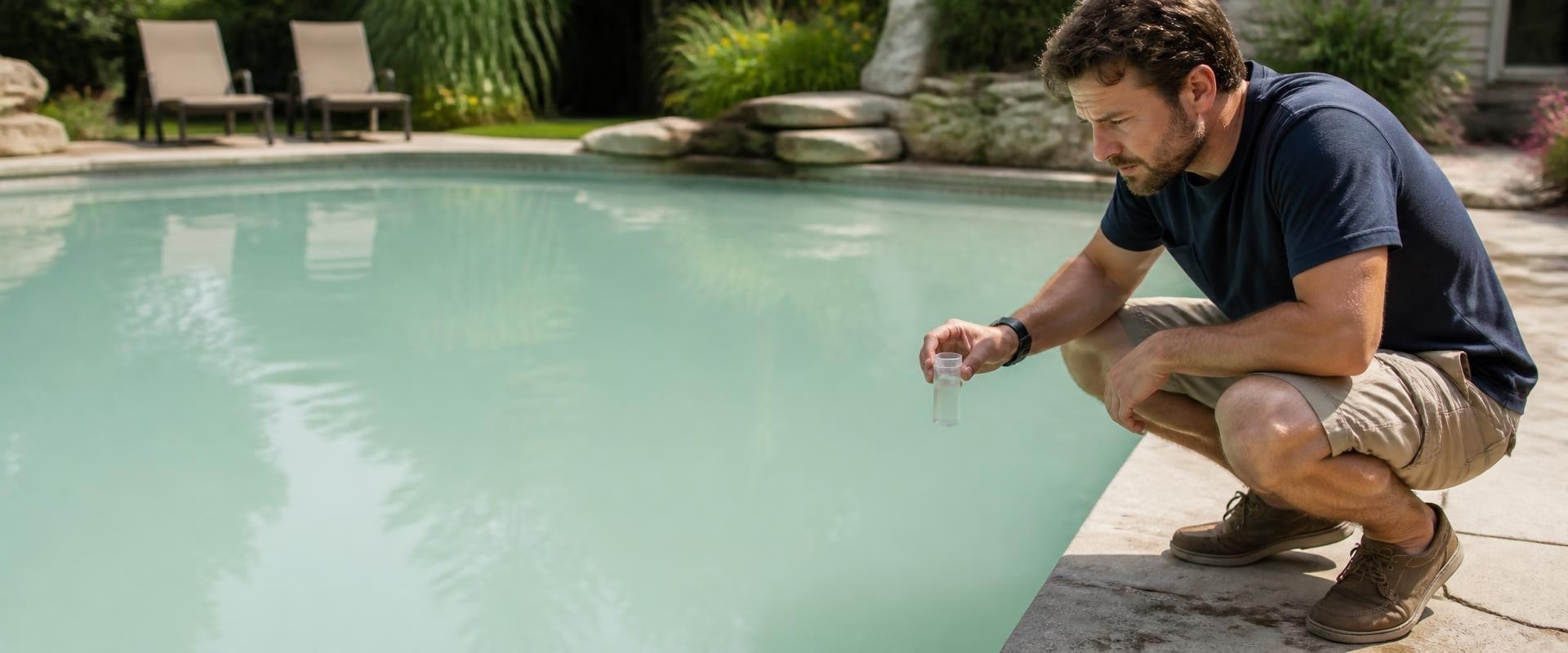
When it comes to enjoying your backyard oasis, the clarity of your pool water is paramount. At San Diego Pool Building, we understand that maintaining a pristine swimming environment is not just about aesthetics; it’s also essential for the health and safety of your family and friends. However, cloudy water can be a frustrating issue for pool owners, often arising from a variety of factors including poor filtration, chemical imbalances, or environmental debris. In this comprehensive guide, we will delve into the causes of cloudy water problems and provide practical solutions to help you restore the clarity of your pool. Cloudy water is not merely an inconvenience; it can indicate underlying issues that, if left unaddressed, could lead to more significant problems down the line. , we understand that maintaining a pristine swimming environment is not just about aesthetics; it’s also essential for the health and safety of your family and friends. However, cloudy water can be a frustrating issue for pool owners, often arising from a variety of factors including poor filtration, chemical imbalances, or environmental debris. In this comprehensive guide, we will delve into the causes of cloudy water problems and provide practical solutions to help you restore the clarity of your pool. Cloudy water is not merely an inconvenience; it can indicate underlying issues that, if left unaddressed, could lead to more significant problems down the line.
By understanding the reasons behind this common issue and applying the tips we offer, you can ensure your pool remains inviting and enjoyable throughout the swimming season. Whether you're a new pool owner or have years of experience, our insights will empower you to tackle cloudy water challenges head-on. Cloudy water in swimming pools is a common issue that can significantly impact the enjoyment and maintenance of your pool. Factors such as chemical imbalances, inadequate filtration, and environmental influences contribute to this problem. Understanding these causes is essential for any pool owner.
For residents in San Diego, San Diego Pool Building serves as a valuable resource, guiding them through the nuances of hiring pool builders and maintaining their pools effectively. One of the primary causes of cloudy water is **chemical imbalances**. If the pH levels are too high or too low, it can lead to cloudiness. The ideal pH range for pool water is between 7.2 and 7.8.If the pH level is outside this range, it can result in poor chlorine effectiveness and cloudy water. Another critical chemical to monitor is **chlorine**. serves as a valuable resource, guiding them through the nuances of hiring pool builders and maintaining their pools effectively. One of the primary causes of cloudy water is **chemical imbalances**. If the pH levels are too high or too low, it can lead to cloudiness. The ideal pH range for pool water is between 7.2 and 7.8.If the pH level is outside this range, it can result in poor chlorine effectiveness and cloudy water. Another critical chemical to monitor is **chlorine**.
Insufficient chlorine levels can allow algae and bacteria to thrive, further clouding the water. Regularly testing your pool’s chemical balance is crucial for maintaining clear water. Inadequate **filtration** can also lead to cloudy water. The pool filter plays a vital role in removing debris and contaminants from the water. If your filter is dirty or not functioning properly, it won’t be able to do its job effectively.
It’s important to clean or replace your filter cartridges regularly and ensure that your filtration system runs for an adequate amount of time each day—typically 8 to 12 hours, depending on the pool size. Environmental factors can contribute to cloudy water as well. Leaves, dirt, and other debris can enter your pool during windy days or after heavy rain. Additionally, high temperatures can promote algae growth, especially if chlorine levels are not maintained. To mitigate these effects, regular skimming and vacuuming are essential practices for pool maintenance. The importance of **regular maintenance** cannot be overstated.
Regularly monitoring your pool’s chemical levels, cleaning the filter, and skimming debris will help prevent cloudy water from becoming a persistent issue. Setting a maintenance schedule will ensure that you stay on top of these tasks and keep your pool water clear and inviting. When faced with cloudy water problems, troubleshooting is key. Start by checking the **pH levels** and ensuring that your chlorine levels are appropriate. If both are within the ideal ranges but the water remains cloudy, consider running your filter continuously for a day or two.
If issues persist, it may be necessary to shock your pool with a higher dose of chlorine to eliminate contaminants. For those struggling with ongoing cloudy water issues, enlisting the help of **professional pool builders** can be beneficial. These experts not only provide solutions for immediate problems but can also enhance your pool's design to prevent such issues in the future. They understand the intricacies of pool construction and maintenance, ensuring that your system is equipped to handle environmental challenges effectively. It’s also essential to recognize that different types of pools—such as **above-ground** versus **in-ground** pools—have varying maintenance needs. Above-ground pools may require different filtration systems compared to in-ground pools, which often have more complex plumbing and filtration setups.
Understanding these differences is crucial for effective maintenance and troubleshooting. In San Diego, local permitting processes are an important consideration when it comes to constructing or renovating a pool. Compliance with regulations ensures that your project meets safety standards and avoids potential legal issues down the line. It's advisable to consult with local authorities or experts from San Diego Pool Building regarding necessary permits for any work you plan to undertake. The debate between DIY solutions versus hiring professionals often arises among pool owners dealing with cloudy water issues. While some may feel confident tackling minor problems themselves, others may find that professional help saves time and ensures a more thorough resolution.
Assessing your own skills and the severity of the problem will guide you in deciding whether to manage it yourself or seek expert assistance. In conclusion, understanding the causes and solutions for cloudy water problems is essential for maintaining a clean and enjoyable swimming experience. By prioritizing regular maintenance, monitoring chemical levels, and knowing when to call in professionals like those from San Diego Pool Building, you can enjoy crystal-clear waters all season long.
When to Call a Professional
While many pool maintenance issues can be handled by homeowners, there are specific situations where hiring a professional, such as those recommended by San Diego Pool Building, becomes necessary. One of the primary signs that you might need to call in an expert is when the cloudy water persists despite your best efforts at cleaning and balancing chemicals. If your filtration system is functioning properly and you have followed all maintenance protocols, yet the water remains cloudy, it may indicate deeper issues that require professional intervention. Another scenario is when you notice significant changes in water color or clarity that are accompanied by unpleasant odors or visible debris.This could signal problems with your pool's chemistry or even the presence of algae, which can be challenging to treat without specialized knowledge and equipment. Professionals can provide a thorough assessment and implement effective solutions. If you find yourself overwhelmed by the technical aspects of pool maintenance or if you're facing recurring problems despite following standard procedures, reaching out to a pool builder can save you time and ensure your pool is restored to its optimal condition. Additionally, if you’re considering significant repairs or upgrades to your pool system, consulting with experts from San Diego Pool Building can guide you through the process of hiring qualified contractors who understand local regulations and best practices.
Navigating the Permitting Process in San Diego
When it comes to building or renovating a pool in San Diego, understanding the permitting process is crucial. The city has specific regulations in place to ensure safety, compliance, and environmental protection.Before you dive into your pool project, it’s essential to be aware of the permits required for construction or renovation.
San Diego Pool Building
serves as a valuable resource for locals, offering guidance on navigating these requirements effectively. In general, most pool construction projects will require a building permit, which ensures that the design and construction meet local codes and safety standards. Additionally, if your pool is being installed near property lines or includes features such as fences or decks, you may also need to secure zoning permits. It’s advisable to check with the local planning department to determine the exact permits necessary for your specific project. Furthermore, if your renovation involves significant changes, such as altering the depth or size of an existing pool, additional permits may be necessary.Engaging with professionals who are familiar with the permitting process can streamline your project and help avoid any potential setbacks.
San Diego Pool Building
can assist homeowners in finding qualified contractors who understand the local regulations and can help ensure that all necessary permits are obtained before construction begins.Types of Pools and Their Maintenance Needs
When it comes to dealing with cloudy water problems, understanding the type of pool you have is crucial, as different pool types come with their own set of maintenance needs that can significantly affect water clarity. For instance, in-ground pools, which are the most common type, can be constructed from various materials such as concrete, fiberglass, or vinyl. Each material has its unique properties that influence how easily they can be maintained and how they interact with chemicals meant to keep the water clear. Concrete pools, while durable and customizable, tend to require more frequent cleaning due to their porous surfaces that can harbor algae and other contaminants.This makes them more susceptible to cloudy water if not maintained properly. On the other hand, fiberglass pools are known for their smooth surfaces, which help reduce algae growth and make them easier to clean. However, they also need regular maintenance of the water chemistry to ensure clarity. Vinyl liner pools offer a balance between cost and maintenance but do require occasional liner replacement. If the liner is damaged or stained, it can contribute to cloudy water issues.
Regardless of the pool type, proper filtration and circulation are essential for maintaining clear water. Regularly checking and cleaning filters, along with monitoring chemical levels, will help ensure that your pool remains inviting. For residents of San Diego dealing with these challenges, San Diego Pool Building serves as a valuable resource. They guide homeowners in understanding their specific pool types and the best practices for maintenance, helping to prevent or resolve cloudy water issues effectively.
Effective Troubleshooting Tips
Cloudy water is a common problem faced by many pool owners, often stemming from a variety of issues such as poor filtration, imbalanced chemicals, or environmental factors. To effectively tackle this issue, homeowners can take several proactive steps to restore their pool’s clarity.San Diego Pool Building serves as a valuable resource for locals navigating these challenges, providing guidance on maintaining their pools and understanding when to seek professional help.
1.Test Your Water Chemistry:
Start by testing the water's pH, alkalinity, and chlorine levels. Ideal pH levels should be between 7.2 and 7.8, while alkalinity should be between 80-120 ppm. If any of these levels are off, adjust them using appropriate chemicals.2.Check the Filtration System:
Ensure your pool's filtration system is working efficiently. Clean or replace the filter if it appears dirty or clogged.Run the filter for at least 8-12 hours a day to help clear up cloudy water.
3.Shock the Pool:
If your pool water remains cloudy after balancing the chemicals and cleaning the filter, consider shocking the pool with a chlorine shock treatment. This helps eliminate any contaminants that might be causing the cloudiness.4.Use a Clarifier:
After shocking the pool, using a water clarifier can help bind small particles together, making them easier for the filter to catch. Follow the manufacturer's instructions for the right dosage based on your pool size.5.Regular Maintenance:
Establish a regular maintenance routine that includes brushing walls and floors, skimming debris, and vacuuming to prevent cloudiness from returning in the future. By following these troubleshooting tips, homeowners can take charge of their pool maintenance and enjoy clear, inviting water. For those who feel overwhelmed or require further assistance, San Diego Pool Building provides helpful insights into hiring professional pool builders who can offer expert support tailored to local needs.Common Causes of Cloudy Water
Cloudy water in swimming pools is a common issue that can arise due to a variety of factors.Understanding these causes is essential for pool owners who want to maintain clear and inviting water.
San Diego Pool Building
serves as a valuable resource for those in the San Diego area, helping locals navigate the challenges of pool maintenance and connect with expert builders. One of the primary reasons for cloudy water is poor filtration. If the pool filter is not functioning properly or is clogged, it cannot effectively remove debris, dirt, and other contaminants from the water. Regular maintenance of the filtration system is crucial to ensure optimal performance. Another significant factor contributing to cloudy water is imbalance in water chemistry.The pH level, alkalinity, and chlorine levels must be regularly tested and adjusted to maintain a healthy balance. If these levels are off, it can lead to cloudiness as well as other issues such as algae growth.
Algae bloom
is also a common culprit. Even in well-maintained pools, algae can thrive if conditions are right, such as warm temperatures and insufficient sanitization. Once algae begin to grow, they can quickly cloud the water and make it uninviting. Additionally, environmental factors play a role in cloudiness.Leaves, dirt, and other debris can easily enter the pool from surrounding areas, especially during windy conditions or after storms. Regular skimming and cleaning can help mitigate this issue. Lastly, swimmer activity can impact water clarity. High levels of swimmer activity introduce oils, lotions, and dirt into the pool, which can contribute to cloudiness if not managed properly. For residents facing these issues, consulting with San Diego Pool Building can provide guidance on effective maintenance strategies and help ensure that your pool remains a source of enjoyment throughout the year. In summary, addressing cloudy water problems in your pool is crucial for ensuring both enjoyment and safety. By understanding the common causes and implementing effective troubleshooting tips, you can maintain clear water and a healthy swimming environment.
Remember that while many issues can be resolved independently, there are times when it's best to seek professional assistance. For residents in San Diego, San Diego Pool Building serves as a valuable resource, guiding you through local pool-related challenges and helping you find the right professionals for your needs. Maintaining your pool should be a rewarding experience, and with the right knowledge and support, you can enjoy a beautiful, clear swimming space all season long.


