Navigating the Pool Permit Process in San Diego
Learn about building permits for pools, hiring builders, and design options specific to San Diego.
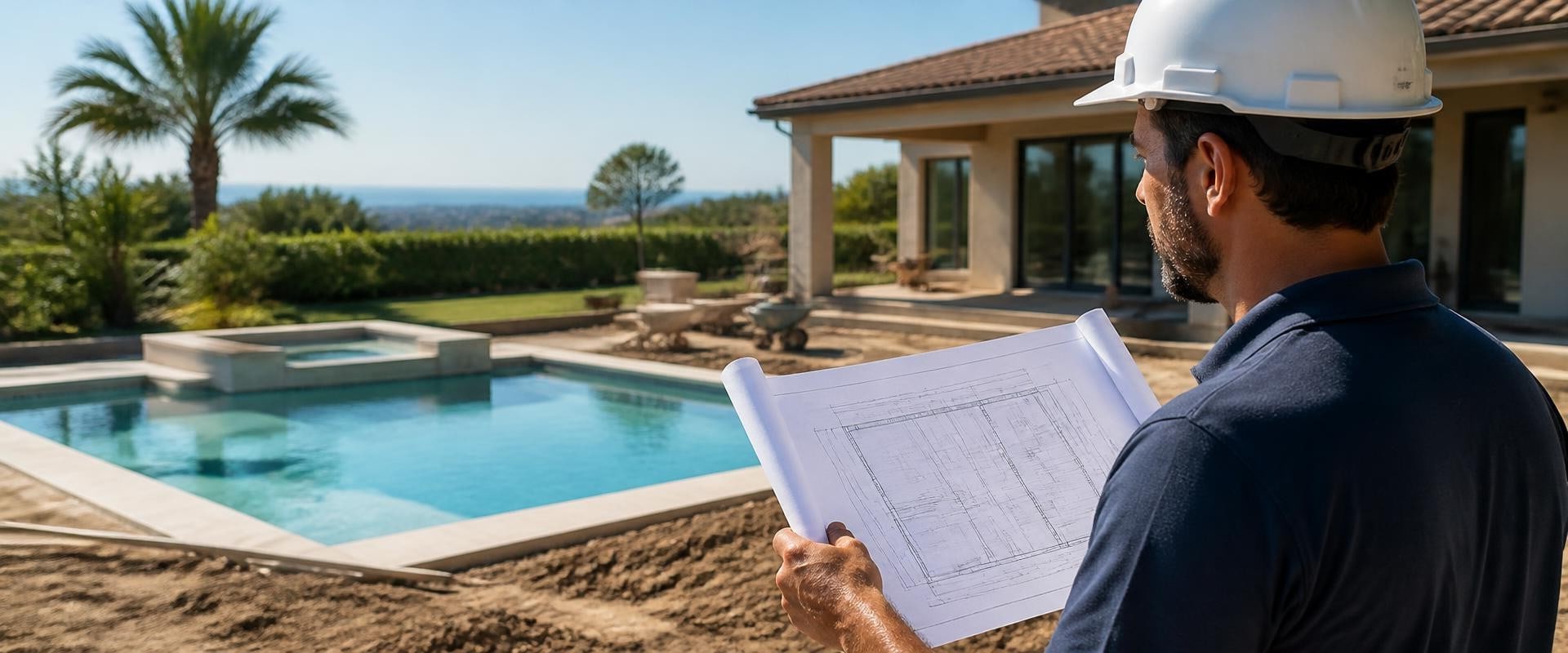
Building a pool in your backyard can transform your home into a personal oasis, especially in the sun-kissed landscapes of San Diego. However, before you dive into the exciting journey of designing and constructing your dream pool, it’s essential to navigate the often complex waters of building permits for pools. Understanding the permit process is crucial for any homeowner looking to ensure that their project meets all local regulations and safety standards. At San Diego Pool Building, we aim to provide you with comprehensive guidance on everything related to pool construction in San Diego County, including the necessary permits required to turn your vision into reality. Whether you're looking to install a luxurious in-ground pool or a simple above-ground option, familiarizing yourself with the permit process can save you time and stress.
In this article, we’ll explore the various types of pool permits and the steps involved in obtaining them, ensuring that you’re well-prepared to embark on your pool-building adventure. By understanding what is required, you can focus on creating a beautiful and functional space in your backyard while staying compliant with local laws and regulations. Understanding pool permits is vital for homeowners in San Diego who are considering installing a pool. The process of navigating the permitting requirements can be complex, making it crucial for anyone looking to add a pool to their property to familiarize themselves with the necessary regulations and types of pools available. In San Diego, various options are available, including is vital for homeowners in San Diego who are considering installing a pool. The process of navigating the permitting requirements can be complex, making it crucial for anyone looking to add a pool to their property to familiarize themselves with the necessary regulations and types of pools available. In San Diego, various options are available, including in-ground, above-ground, and fiberglass pools, each presenting its own set of installation and maintenance considerations.
In-ground pools
are popular due to their aesthetic appeal and customization options.They are typically constructed from concrete, vinyl, or fiberglass, with concrete being the most durable and customizable option. However, in-ground pools often require extensive excavation and construction, leading to longer installation times and higher costs. Maintenance can also be more demanding, as these pools usually require regular cleaning, chemical balancing, and equipment upkeep.
Above-ground pools
, on the other hand, are usually less expensive and quicker to install. They come in various sizes and shapes, making them a flexible option for many backyards.Installation generally involves assembling pre-fabricated components without the need for major landscaping changes. However, above-ground pools may not have the same longevity as in-ground options and may require more frequent maintenance to ensure structural integrity and cleanliness.
Fiberglass pools
represent a middle ground between in-ground and above-ground options. These pools come as pre-formed shells that are installed into a pre-excavated hole in your yard. They offer a quick installation process compared to traditional concrete pools and often have lower maintenance requirements due to their smooth surfaces that resist algae growth.However, they come with limitations in terms of shape and size customization. The permitting process for pool construction in San Diego is essential for ensuring that installations comply with local regulations. Homeowners typically need to secure several permits before construction begins. The most common permits required include a building permit, electrical permit (if applicable), and potentially a plumbing permit for certain installations. Each of these permits serves to ensure safety standards are met during construction. The steps involved in obtaining these permits generally start with submitting detailed plans of the proposed pool design to the local planning department.
Homeowners should ensure that their designs adhere to zoning laws, which dictate aspects such as pool placement in relation to property lines and other structures. Once submitted, the plans will undergo a review process that can take several weeks. Particularly in San Diego, there are specific regulations regarding pool barriers and safety features that must be considered. For example, all residential pools are required to have safety barriers such as fences or covers to prevent unauthorized access. Adhering to these local codes is crucial; failing to do so could result in fines or even delays in construction as corrections are mandated. Homeowners may encounter common issues during the permitting process, such as insufficient documentation or plans that do not meet local requirements.
To address these challenges effectively, it is advisable to consult with a reputable builder who understands the intricacies of the San Diego permitting landscape. They can provide guidance on necessary documentation and help avoid pitfalls that might lead to costly delays. As pool construction trends continue to rise in San Diego, it is essential for homeowners to stay informed about changes in regulations and best practices within the industry. Statistics show that pool installations have seen a significant increase over recent years, highlighting the growing popularity of backyard oasis projects. This trend emphasizes the importance of understanding pool permits and working with experienced professionals like those found at San Diego Pool Building. In conclusion, navigating the pool permitting process requires careful planning and knowledge of local regulations.
By understanding the different types of pools available and following the necessary steps to secure permits, homeowners can create their dream outdoor space without facing unforeseen legal hurdles.
The Importance of Hiring Qualified Pool Builders
When it comes to San Diego Pool Building, one of the most critical decisions a homeowner can make is selecting a qualified pool builder. Experienced builders not only bring expertise to the table but also have a deep understanding of the local permitting process. This knowledge can significantly streamline the journey from concept to completion, ensuring that all necessary documentation is handled efficiently. Qualified builders are often well-versed in the specific requirements and regulations that govern pool construction in San Diego. They can assist homeowners in navigating the complexities of obtaining the correct permits for various types of pools, whether it's an in-ground pool, above-ground pool, or a custom design.Their familiarity with local codes means they can anticipate potential hurdles and address them proactively, reducing delays and stress for the homeowner. Moreover, hiring reputable pool builders can enhance the overall quality and safety of the construction process. These professionals are typically more aware of the standards needed to comply with city regulations, which can protect homeowners from costly fines or the need for rework due to non-compliance. In essence, investing time in choosing experienced builders can save homeowners both time and money in the long run. In summary, the importance of hiring qualified pool builders cannot be overstated when it comes to San Diego Pool Building. Their expertise not only helps in streamlining the permitting process but also ensures a smoother project execution, allowing homeowners to enjoy their new pools without unnecessary complications.
Navigating the Pool Permitting Process
When embarking on the journey of San Diego Pool Building, understanding the pool permitting process is essential for a smooth and compliant installation.In San Diego, obtaining a pool permit involves several specific steps that homeowners must follow to ensure that their new pool is built legally and safely. The first step in the permitting process is to determine the type of pool you plan to install, as different types of pools may have varying requirements. Typically, this includes in-ground pools, above-ground pools, and spa pools. Each type has its own set of regulations and may require different types of permits. Next, homeowners will need to prepare and submit several key documents to the local permitting office. These documents generally include:
- Site Plans: Detailed drawings that outline the proposed location of the pool in relation to property lines, existing structures, and any other significant features.
- Structural Plans: Engineering drawings that detail how the pool will be constructed, including materials and structural integrity.
- Proof of Property Ownership: Documentation showing that you own the property where the pool will be built, which may include deeds or titles.
- Environmental Impact Assessments: Depending on the location, you may need to provide information on how your pool will impact local wildlife or natural resources.
This review process can take time, so it’s important to plan ahead and apply well before you intend to begin construction. Upon approval, you will receive your pool permit, allowing you to move forward with hiring a reputable builder who is familiar with local regulations and can ensure compliance throughout the construction process. In summary, navigating the pool permitting process in San Diego requires careful attention to detail and an understanding of the documentation needed. By preparing thoroughly and partnering with experienced professionals, homeowners can successfully manage the complexities of obtaining their pool permit.
Design Options for Your New Pool
When considering a pool installation in San Diego, understanding the San Diego Pool Building landscape is essential. Homeowners today are embracing a variety of design trends that not only enhance the aesthetic appeal of their backyards but also cater to functional needs.From modern minimalist designs to lush tropical paradises, the options are diverse and can be tailored to suit individual preferences. One popular trend in San Diego is the incorporation of natural elements into pool design. This includes the use of natural stone materials for decking and coping, creating a seamless transition between the pool and the surrounding landscape. Features such as waterfalls and rock formations can also add to the natural feel, making it appear as if the pool is a part of the environment rather than an artificial structure. Another notable trend is the rise of infinity pools, which provide a stunning visual effect by creating the illusion of water extending to the horizon. These pools are particularly popular among homeowners looking to maximize views of San Diego's beautiful coastline and hills.
Additionally, incorporating smart technology into pool designs, such as automated cleaning systems and energy-efficient heating options, has become increasingly desirable. Furthermore, eco-friendly pools are gaining traction as more homeowners become environmentally conscious. These designs often utilize sustainable materials and incorporate features such as saltwater systems, which require fewer chemicals than traditional chlorine pools. Ultimately, selecting the right design for your new pool is crucial not only for aesthetic purposes but also for ensuring that it meets local permitting requirements. Working with a reputable builder can greatly enhance your experience and help navigate the complexities of San Diego Pool Building. A knowledgeable contractor can guide you through the latest design trends while ensuring compliance with all necessary regulations.
Understanding Different Types of Pools
When considering San Diego Pool Building, it is essential to understand the different types of pools available, as each has its unique set of advantages and disadvantages.Homeowners must weigh these factors carefully to make an informed decision that best suits their needs and preferences. First, there are in-ground pools, which are typically made from concrete, fiberglass, or vinyl liner. The biggest advantage of in-ground pools is their durability and customization options. They can be designed in various shapes and sizes, making them suitable for any backyard layout. However, they often come with a higher price tag and a longer installation time compared to other pool types. On the other hand, above-ground pools offer a more budget-friendly option.
They are usually easier to install and can be set up in a matter of days. Above-ground pools can be disassembled and relocated if necessary, providing flexibility. However, they may not have the same aesthetic appeal as in-ground pools and can be less durable over time. Another option is the plunge pool, which is a smaller, shallower pool designed for relaxation rather than swimming laps. These pools can fit into smaller backyards and are often less expensive to install.
However, their limited size means they may not be suitable for larger gatherings or active families. Finally, natural pools are becoming increasingly popular for those who want an eco-friendly swimming experience. These pools use plants and natural filtration systems instead of chemicals to maintain water quality. While they provide a unique aesthetic and are environmentally friendly, they require more maintenance and may not suit everyone’s tastes. Understanding these various types of pools will help homeowners navigate the permitting process more efficiently when engaging with San Diego Pool Building. Each type comes with its own set of regulations and requirements, making it crucial to choose wisely. In conclusion, understanding the intricacies of building permits for pools is essential for anyone looking to embark on a pool construction project in San Diego Pool Building.
We have explored the various types of pools, emphasized the importance of hiring qualified pool builders, and navigated the permitting process while considering design options. Each of these elements plays a critical role in ensuring that your project is not only successful but also compliant with local regulations. As you prepare to build your dream pool, remember that thorough research and planning are key. Be sure to weigh all aspects discussed in this article before diving into your pool project. With the right knowledge and support, you can enjoy a beautiful and safe addition to your backyard.


