Essential Steps for Winterizing Your Pool in San Diego
Learn how to effectively prepare your pool for winterization, including tips on hiring pool builders and understanding design options specific to San Diego.
As the warm sun sets on another beautiful summer in San Diego, it's time to shift our focus from pool parties and sunbathing to the essential task of preparing your pool for winterization. At San Diego Pool BuildingSan Diego Pool Building, we understand that maintaining your pool throughout the year is crucial for its longevity and performance. Winterizing your pool may seem daunting, but with the right steps, you can ensure it stays in optimal condition despite the cooler temperatures and seasonal changes. In this guide, we will walk you through the essential steps for winterizing your pool effectively, ensuring that you protect your investment and can enjoy a hassle-free experience when it's time to reopen your pool in the spring. Whether you're a seasoned pool owner or a new homeowner navigating the nuances of pool maintenance, this article will provide you with valuable insights tailored specifically for our San Diego climate. Join us as we delve into the necessary precautions, techniques, and tips that will help you successfully winterize your pool, ensuring it remains a source of enjoyment for years to come. , we understand that maintaining your pool throughout the year is crucial for its longevity and performance. Winterizing your pool may seem daunting, but with the right steps, you can ensure it stays in optimal condition despite the cooler temperatures and seasonal changes. In this guide, we will walk you through the essential steps for winterizing your pool effectively, ensuring that you protect your investment and can enjoy a hassle-free experience when it's time to reopen your pool in the spring. Whether you're a seasoned pool owner or a new homeowner navigating the nuances of pool maintenance, this article will provide you with valuable insights tailored specifically for our San Diego climate. Join us as we delve into the necessary precautions, techniques, and tips that will help you successfully winterize your pool, ensuring it remains a source of enjoyment for years to come.
By following these guidelines, you'll not only safeguard your pool but also enhance its overall durability and efficiency. Let’s get started on making your winterization process smooth and effective!Winterizing your pool in San Diego is an essential process that not only protects your investment but also ensures the longevity of your pool. Proper preparation can prevent costly repairs and maintenance issues down the line. If you’re unsure where to start, consider reaching out to San Diego Pool Building, a valuable resource for information on local pool builders who can assist with the winterization process and help you understand the specific needs of your type of pool. The first step in preparing your pool for winterization is to clean it thoroughly.
This includes removing debris such as leaves, twigs, and dirt from the surface and the bottom of the pool. Using a skimmer net and a vacuum is crucial; any leftover debris can lead to algae growth or staining during the winter months. A clean pool not only looks good but also helps maintain water chemistry balance, making the subsequent steps easier. Next, it's important to balance the water chemistry before closing your pool for winter. This step involves testing and adjusting the pH, alkalinity, and calcium hardness levels to ensure they are within the recommended ranges.
Properly balanced water prevents corrosion of equipment and surfaces, and helps protect against freezing damage. High or low pH levels can lead to scaling or etching in the pool's surface, so taking time to get this right is crucial. Once the water chemistry is balanced, you should drain the pool water to appropriate levels. The amount of water to be drained depends on the type of pool you have. For example, inground pools typically require you to drain water below the skimmer level to avoid freeze damage, while above-ground pools may need to be drained just below the return jets.
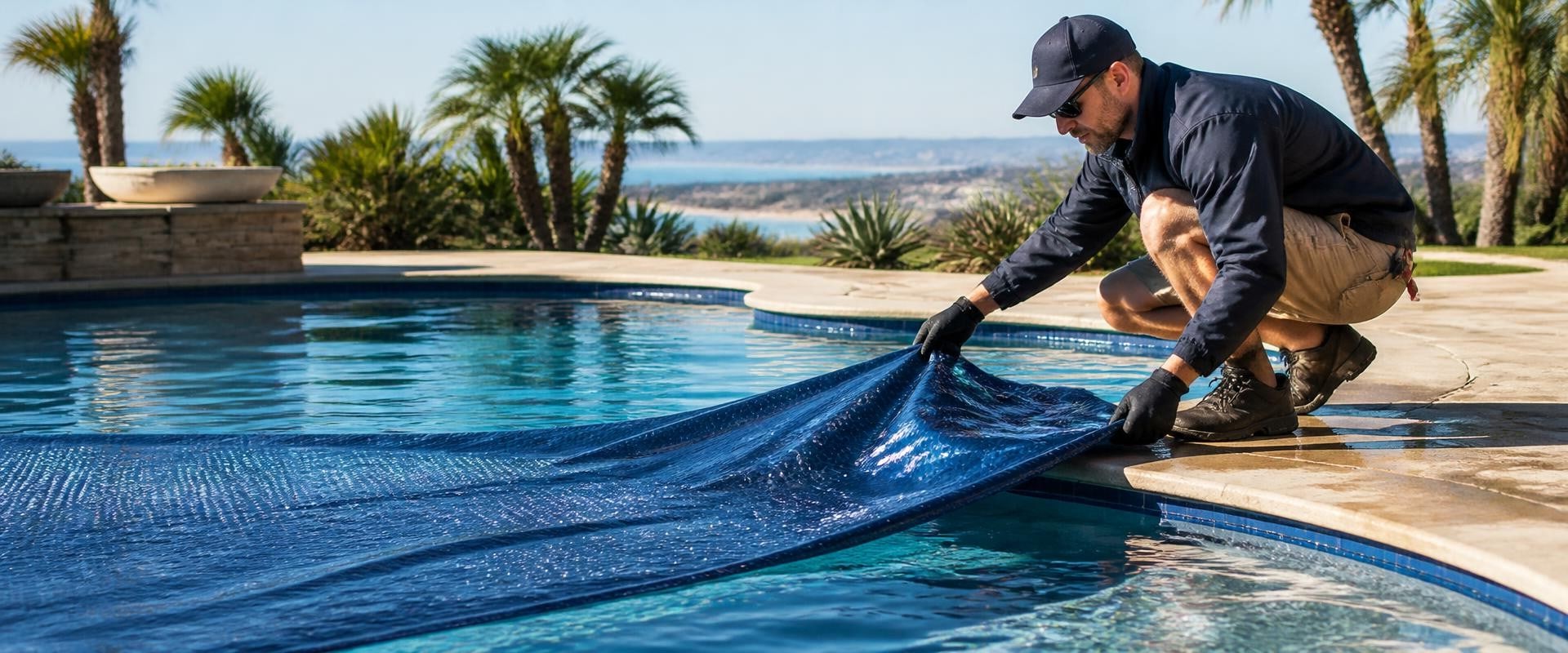
Understanding these specific requirements is important to ensure your pool remains intact during the winter months. After draining, covering your pool is another critical step in winterization. There are various types of pool covers available, including solid covers, mesh covers, and safety covers. Solid covers prevent debris from entering the pool and keep it clean throughout winter, while mesh covers allow water to drain through but keep larger debris out. Safety covers add an extra layer of protection for children and pets.
Choosing the right cover not only protects your pool but also reduces maintenance time when you reopen it in spring. While many homeowners may feel confident handling these tasks themselves, there are situations where hiring a professional from San Diego Pool Building may be beneficial. Particularly for complex installations or custom-designed pools, having an expert can ensure that all aspects of winterization are handled correctly. They can provide insight into best practices tailored specifically to your type of pool. Throughout the winterization process, it's also essential to be aware of common mistakes that can lead to problems later on. One common error is neglecting to properly balance water chemistry before closing up for winter; this can lead to significant damage over time.
Another mistake is not adequately securing the cover, which can result in it blowing off during storms or accumulating debris that could weigh it down or damage it. In conclusion, taking these essential steps for winterizing your pool in San Diego will not only protect your investment but also make sure that you are ready for a smooth transition into the next swimming season. By cleaning thoroughly, balancing water chemistry, draining appropriately, covering correctly, and knowing when to seek professional help from local experts like San Diego Pool Building, you can avoid costly repairs and enjoy peace of mind during those cold winter months.
Hiring a Professional
When it comes to winterizing your pool, hiring a knowledgeable contractor from San Diego Pool Building can be a game-changer. Professionals who specialize in pool maintenance understand the unique challenges posed by San Diego's climate and can provide tailored advice and services to ensure your pool is adequately prepared for the colder months. This expertise is invaluable, as improper winterization can lead to significant damage and costly repairs down the line. Moreover, a qualified contractor will be familiar with the various types of pools—whether you have a concrete, fiberglass, or vinyl liner pool—and their specific winterization requirements.This level of understanding ensures that every aspect of the process is handled correctly, from draining the water levels to properly securing the equipment. By choosing a local expert through San Diego Pool Building, you can rest assured that your pool will be well taken care of, allowing you to enjoy peace of mind during the winter season.
Covering Your Pool
When it comes to preparing your pool for winterization, one of the most crucial steps is selecting and installing the right pool cover. In San Diego, where the climate can lead to unexpected weather changes, a good pool cover is essential for protecting your investment. It not only keeps debris out of the water but also minimizes chemical loss and helps maintain water temperature during the colder months. There are several types of pool covers available, each with its unique benefits.Safety covers are designed to withstand weight and prevent accidental falls, making them an excellent choice for families with children or pets.
Mesh covers
, on the other hand, allow rainwater to drain through while keeping leaves and debris out, which can be particularly useful in San Diego's variable weather conditions.Solid vinyl covers
offer complete protection from debris and sunlight but require more maintenance to prevent algae growth. Installing a pool cover properly is just as important as choosing the right one. Begin by cleaning the pool thoroughly to remove any debris or contaminants.Once the pool is clean, ensure that the cover fits snugly over the entire surface of the pool. For safety covers, secure all anchors tightly to prevent any sagging or pooling of water on top of the cover. If using a mesh or solid cover, make sure it is evenly distributed and secured at all corners and edges to avoid any gaps. For those who may feel uncertain about the installation process or have specific questions regarding their pool type, consulting with local experts such as San Diego Pool Building can provide valuable insights and assistance. Their expertise in various types of pools ensures that you can find the best practices tailored to your situation.
Balancing Water Chemistry
Before winterizing your pool, it is essential to ensure that your water chemistry is balanced.This process helps prevent damage during the colder months and prolongs the life of your pool. In San Diego, where mild winters can lead to algae growth if not properly managed, taking the time to adjust your pool's chemistry is crucial. Start by testing the pH levels of your pool water. The ideal pH range for a swimming pool is between 7.2 and 7.8.If your pH is too low, add a pH increaser, such as sodium carbonate. Conversely, if the pH is too high, you can use a pH decreaser like sodium bisulfate.
Regular testing kits or digital testers can help you accurately measure these levels. Next, check the alkalinity of your water, which should be between 80 and 120 parts per million (ppm). Proper alkalinity acts as a buffer for pH levels, preventing fluctuations that can harm your pool equipment and surfaces. If you find that your alkalinity is low, add an alkalinity increaser; if it’s too high, you may need to partially drain the pool and refill it with fresh water. Finally, test the chlorine levels to ensure they are within the recommended range of 1 to 3 ppm. Adequate chlorine levels help prevent bacteria and algae growth during the winter months.
If your chlorine levels are low, consider adding a chlorine shock treatment before winterization. This will sanitize your pool and prepare it for the off-season. For those who prefer professional assistance, consulting with local experts such as San Diego Pool Building can provide valuable insights into maintaining proper water chemistry tailored to specific pool types and conditions.
Cleaning Your Pool
Cleaning your pool is a crucial first step in the winterization process, especially in a region like San Diego where algae and debris can accumulate quickly due to the mild climate.San Diego Pool Building
emphasizes that a well-maintained pool not only looks inviting but also extends the lifespan of your pool system and reduces the chances of costly repairs down the line. Start by skimming the surface of your pool to remove any leaves, twigs, or other floating debris. A standard pool skimmer net will do the trick; just glide it across the surface and collect any visible contaminants.This simple action prevents organic matter from sinking and decomposing, which can lead to water quality issues. Next, turn your attention to brushing the walls and floor of the pool. Use a pool brush appropriate for your pool's surface material—whether it's plaster, tile, or vinyl—to scrub away dirt and algae that may have clung on. Pay particular attention to corners and steps where debris tends to accumulate. Brushing helps prevent stains and keeps the water clean, making it easier to maintain throughout the winter months. Finally, vacuum your pool thoroughly.
You can use either a manual vacuum or an automatic cleaner, depending on your preference. If using a manual vacuum, connect it to your pool's filtration system, and slowly guide it along the bottom of the pool, ensuring you cover every inch. This step is essential for removing dirt and debris that skimming and brushing may have missed. By investing time in cleaning your pool before winterizing, you're setting yourself up for success when warmer weather returns. If you find this process daunting or prefer professional assistance, consider reaching out to local experts such as San Diego Pool Building, who can guide you on hiring reliable pool contractors to help with winterization tasks.
Draining Water Levels
When it comes to winterizing your pool, understanding the recommended water levels for different pool types is crucial for effective maintenance.In San Diego, where the climate is milder compared to other regions, the approach to winterization can vary based on the type of pool you have. Generally, the water level should be lowered to a point where it is below the skimmer, but not so low that it risks damage to the pool structure. For inground pools, the ideal water level during winterization is typically between 4 to 6 inches below the skimmer. This helps prevent freeze damage and ensures that any residual water does not cause expansion issues. If you have a vinyl-lined pool, it's important to take extra care; lowering the water too much can lead to the liner pulling away from the walls. If you own a fiberglass pool, you can lower the water level to about 6 inches below the skimmer as well.
Fiberglass pools are less prone to damage from freezing temperatures, but maintaining the correct water level is still essential for overall integrity. For above-ground pools, it's recommended to lower the water level to about 3 to 4 inches below the skimmer. This keeps your pool safe from potential ice expansion and helps maintain its shape throughout the winter months. As you prepare your pool for winterization, consider consulting with local experts like San Diego Pool Building for tailored advice on your specific pool type. They can provide guidance on best practices and help you understand any unique needs your pool may have during this process. In conclusion, properly winterizing your pool in San Diego is essential to prolong its lifespan and avoid expensive repairs. By cleaning your pool, balancing water chemistry, draining water levels, and covering your pool, you can ensure it remains in good condition throughout the colder months.
As discussed, enlisting the help of professionals, such as those from San Diego Pool Building, can make this process easier and more effective, especially if you're unsure about the specific needs of your pool type. If you find yourself needing assistance with any part of the winterization process, don’t hesitate to reach out to local experts who can provide the guidance necessary to keep your investment safe and sound.


