Understanding Electrical Permits for Pool Installations in San Diego
Learn about electrical permits for pool installations in San Diego, including hiring pool builders, types of pools, the permitting process, and design options.
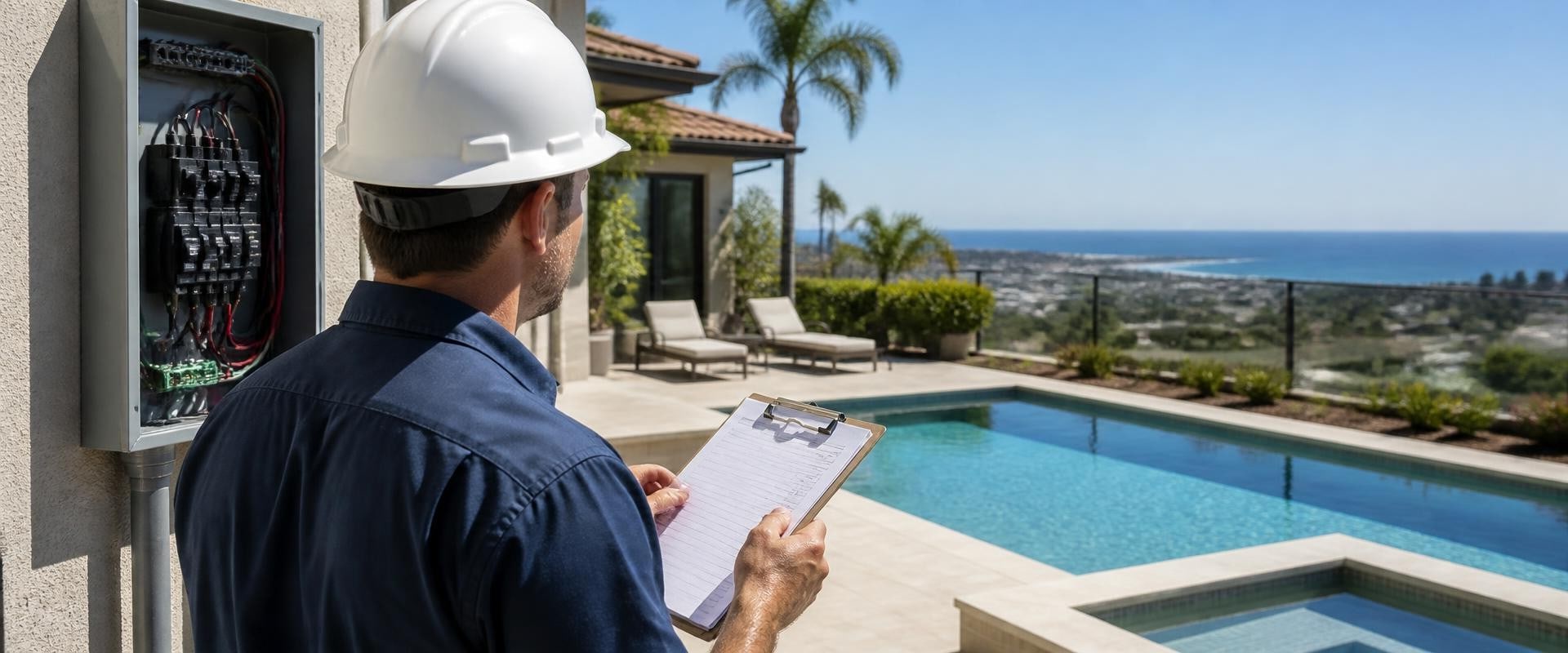
When embarking on the journey of creating your dream pool, understanding the necessary regulations and permits is crucial. One key aspect that often goes overlooked is the requirement for Electrical permits for pool installations. In San Diego, where the sun shines bright and the allure of a refreshing pool beckons, ensuring compliance with local laws is essential for a smooth installation process.
San Diego Pool Building
serves as your comprehensive guide to navigating the complexities of pool construction, including the often intricate world of permits. In this article, we will delve into the specifics of electrical permits and their importance in ensuring safety and compliance during your pool installation.Understanding these requirements not only helps streamline the construction process but also protects your investment and enhances the overall enjoyment of your new backyard oasis. Join us as we explore the ins and outs of obtaining electrical permits for pool installations in San Diego, ensuring that your project aligns with city regulations while paving the way for a seamless swimming experience. When it comes to installing a pool in San Diego, understanding electrical permits for pool installations is crucial.
San Diego Pool Building
provides valuable insights into hiring qualified pool builders and navigating the complex permitting landscape. Electrical safety is paramount in any pool installation project, and neglecting the necessary permits can lead to serious safety hazards and legal issues.This article delves into the specifics of electrical permits and their significance for homeowners looking to enhance their outdoor living spaces. The type of pool you choose—whether in-ground, above-ground, or even custom designs—directly influences the permitting process. In-ground pools typically require more comprehensive electrical planning due to their permanent nature and integration with existing electrical systems. These pools often need a dedicated electrical supply to power pumps, heaters, and lighting, making the permit process more intricate. On the other hand, above-ground pools may have simpler electrical requirements, but they still necessitate compliance with local codes to ensure safety and functionality. Obtaining electrical permits involves several steps that homeowners must follow diligently.
First, it’s essential to gather all necessary documentation, which may include site plans, electrical diagrams, and specifications for any equipment being installed. The local permitting authority will review these documents to ensure compliance with state and local regulations. Timelines can vary depending on the complexity of the project and the efficiency of the permitting office; therefore, homeowners should anticipate potential delays. Fees associated with obtaining electrical permits can also vary, so it's wise to budget accordingly and inquire about these costs upfront. Hiring qualified pool builders who are familiar with local regulations is critical in navigating the permitting process.
Experienced contractors understand the intricacies of electrical permits for pool installations and can help homeowners avoid common pitfalls. For instance, some homeowners may underestimate the importance of ensuring that their pool's electrical systems are up to code. Failing to secure the proper permits can lead to fines or complications during home inspections when selling a property. In San Diego, various design options are available for pool installations, each impacting electrical requirements differently. For example, a pool with advanced lighting features or integrated heating systems will require more detailed planning and additional permits.
Homeowners should consider these factors early in the design phase to avoid costly modifications later on. In summary, understanding electrical permits for pool installations is vital for homeowners in San Diego. By working with knowledgeable professionals from San Diego Pool Building, individuals can ensure that their projects comply with local laws while prioritizing safety and efficiency. Proper planning and adherence to regulations will not only streamline the installation process but also contribute to a safe and enjoyable swimming environment for years to come.
Hiring Qualified Pool Builders
When embarking on the journey of installing a pool in San Diego, one of the most critical steps is hiring qualified pool builders who are well-versed in the local permitting requirements. Working with experienced contractors can significantly streamline the process and ensure that all necessary electrical permits for pool installations are properly obtained.At San Diego Pool Building, we emphasize the importance of selecting professionals who not only have a track record of successful projects but also possess a thorough understanding of the unique regulations governing pool construction in the area. To choose the right pool contractor, start by researching their experience and expertise specifically related to pool installations in San Diego. Look for builders who have worked on similar projects and can provide references or examples of their work. A qualified contractor will have familiarity with local codes, including electrical safety standards that must be adhered to during installation. Additionally, consider asking potential contractors about their process for navigating the permitting landscape. A knowledgeable builder should be able to explain how they handle obtaining necessary permits, including electrical permits, and how they ensure compliance with all safety regulations.
This not only protects your investment but also ensures the safety of your family and guests. Lastly, don't hesitate to discuss your specific needs and expectations with potential builders. Communication is key in any construction project, and a contractor who is willing to listen and collaborate will likely deliver results that align with your vision. By prioritizing these factors when hiring pool builders, you can make informed decisions that lead to a successful pool installation. This not only protects your investment but also ensures the safety of your family and guests. Lastly, don't hesitate to discuss your specific needs and expectations with potential builders. Communication is key in any construction project, and a contractor who is willing to listen and collaborate will likely deliver results that align with your vision. By prioritizing these factors when hiring pool builders, you can make informed decisions that lead to a successful pool installation.
Types of Pools and Their Electrical Requirements
When considering a pool installation in San Diego, it's essential to recognize that different types of pools have distinct When considering a pool installation in San Diego, it's essential to recognize that different types of pools have distinct electrical requirements. Each type of pool—whether it be an in-ground, above-ground, or inflatable pool—comes with its own set of challenges and safety considerations that necessitate specific electrical permits.San Diego Pool Building provides invaluable insights into these differences, helping homeowners navigate the complexities of the permitting process. In-ground pools, for example, typically require extensive electrical work due to their permanent installation and the need for various electrical components, including lighting, pumps, and heating systems. This complexity often leads to stricter permitting requirements to ensure that all installations comply with local safety codes. On the other hand, above-ground pools may have simpler electrical needs. However, they still require permits for any electrical connections made for filtration systems or lighting. The temporary nature of some above-ground pools might lead homeowners to underestimate the importance of these permits. Inflatable pools, while generally less complicated, can also pose electrical risks if not set up correctly.
Even if the pool itself doesn’t require a permit, any associated electrical equipment must meet safety standards. Understanding the specific electrical requirements for each type of pool is crucial for ensuring safety and compliance with local regulations. Homeowners are encouraged to consult with professionals and refer to resources like San Diego Pool Building to ensure their installation meets all necessary legal and safety standards.
Design Considerations for Pools in San Diego
When planning a pool installation in San Diego, it is essential to consider how design choices can significantly impact electrical installations and the corresponding electrical permits for pool installations. San Diego Pool Building serves as a valuable resource for homeowners looking to understand the intricacies of hiring a pool builder and navigating the permitting landscape. A well-thought-out pool design not only enhances aesthetic appeal but also ensures compliance with local regulations, particularly concerning electrical safety. The layout of your pool, including its shape, depth, and proximity to power sources, can dictate the type of electrical installations required.For instance, pools that include features such as lighting, heating systems, or water features will necessitate specific electrical considerations that must be addressed in the permit application process. Additionally, understanding the zoning laws and electrical codes specific to San Diego can help streamline the permitting procedure and avoid delays. Moreover, the placement of equipment like pumps and heaters should be factored into the overall design. These elements require dedicated electrical connections and must be positioned according to safety regulations to prevent hazards. Engaging with experienced pool builders who are familiar with local codes is crucial, as they can provide insights into how your design choices will affect the necessary permits and electrical installations. In summary, the design of your pool plays a pivotal role in determining the complexity of electrical permits for pool installations.
By considering these factors early in the planning process and utilizing resources like San Diego Pool Building, homeowners can ensure their projects comply with safety standards while creating a beautiful outdoor space.
The Permitting Process Explained
Obtaining electrical permits for pool installations in San Diego is a crucial step that ensures your pool is installed safely and meets local regulations. At San Diego Pool Building, we emphasize the importance of understanding this process to avoid potential setbacks during your pool project. The first step in the permitting process is to consult with local authorities or a licensed contractor who is familiar with the requirements specific to San Diego. This initial consultation will help you understand the necessary documentation, including site plans, electrical diagrams, and proof of property ownership. Once you have gathered the required documents, you will need to submit your permit application to the City of San Diego's Development Services Department. It’s advisable to do this as early as possible, as the review process can take anywhere from a few days to several weeks, depending on the complexity of your project and the current workload of the department. After submission, your application will go through a review process where it will be checked for compliance with local codes and regulations.If any issues arise, you may be asked to provide additional information or make modifications to your plans. Once your permit is approved, you will receive an official permit document that allows you to begin electrical work. It’s important to note that throughout the installation process, inspections will be required at different stages to ensure everything is being done according to code. These inspections help verify that all electrical installations are safe and meet the standards set forth by local regulations. In summary, understanding the permitting process is essential for homeowners looking to install a pool in San Diego. By following these steps and utilizing resources like San Diego Pool Building, you can navigate the permitting landscape more effectively and ensure a safe installation for your new pool. In conclusion, understanding the significance of electrical permits for pool installations is vital for ensuring a safe and compliant pool setup in San Diego.
The permitting process not only safeguards homeowners but also guarantees that installations meet local codes and standards. By collaborating with knowledgeable pool builders, like those recommended by San Diego Pool Building, homeowners can navigate the complexities of the permitting landscape effectively. We encourage readers to take the time to explore their options carefully when it comes to hiring qualified professionals for their pool projects. Consulting resources such as San Diego Pool Building can provide valuable insights and guidance in making informed decisions that prioritize both safety and compliance.


